When people hear the name Kroc, they immediately think of golden arches, fast food, and one of the most powerful brands in modern history, McDonald’s. At the center of that empire stood Ray Kroc, the visionary who transformed a small burger stand into a global franchise phenomenon.
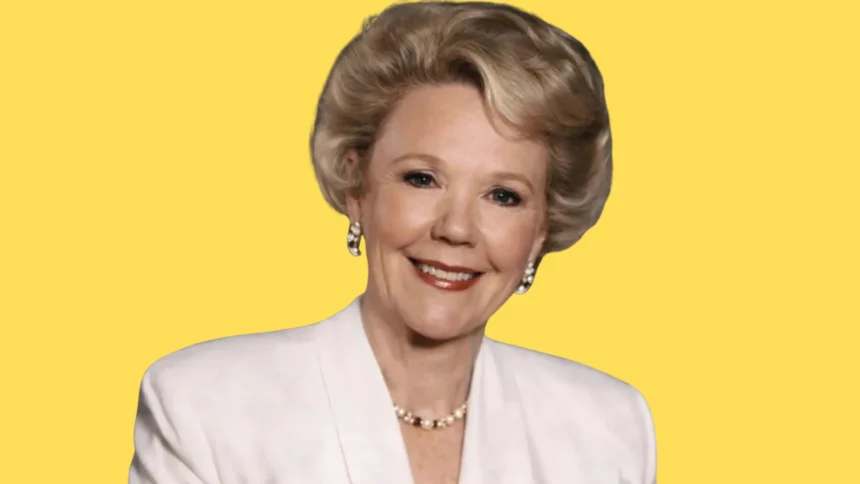
Yet, behind this iconic success story is a lesser-known but equally meaningful figure, Marilyn Kroc Barg. Often called “Lynn” by those close to her, Marilyn lived a life that contrasted sharply with the public, high-powered image of her father.
Born on October 15, 1924, in Chicago (or possibly nearby Oak Park), Illinois, Marilyn was raised during a time when her father’s success was still uncertain. She would go on to become a businesswoman and philanthropist, quietly contributing to causes that impacted countless lives. Despite her connection to immense wealth, she chose a life of relative privacy, one that prioritized giving over recognition.
Her story is not just about inheritance; it is about how one woman used her position to make a difference, even if the world wasn’t always watching.
Quick Bio: Marilyn Kroc Barg
| Attribute | Details |
| Full Name | Marilyn Janet Kroc Barg (also known as Lynn) |
| Date of Birth | October 15, 1924 |
| Place of Birth | Chicago (or Oak Park), Illinois, USA |
| Date of Death | September 11, 1973 |
| Age at Death | 48 |
| Place of Death | Arlington Heights, Cook County, Illinois, USA |
| Parents | Father: Ray Kroc; Mother: Ethel Janet Fleming |
| Spouses | First: Sylvester N. Nelson (m. 1949, divorced); Second: James W. Barg (m. 1960) |
| Occupation | Businesswoman, philanthropist |
| Notable Contributions | Helped establish Ronald McDonald House Charities; Salvation Army kettle program; involved in Kroc Foundation for medical research (e.g., diabetes) |
| Nationality | American |
Marilyn Kroc Barg: Early Life and Background
Marilyn Janet Kroc Barg was born into a modest, middle-class American household. Her parents, Ray Kroc and Ethel Janet Fleming, were still far from the wealth and recognition that would later define the Kroc name.
Growing up in Illinois during the early 20th century, Marilyn experienced a childhood that was grounded in ordinary realities rather than privilege. Her father worked tirelessly in sales before discovering the McDonald brothers’ restaurant concept, a turning point that would eventually reshape the family’s future.
Being raised during this transitional period gave Marilyn a rare perspective. She was not born into wealth; she witnessed its creation. This distinction is important, as it often shapes how individuals relate to money and responsibility later in life.
Connection to the McDonald’s Legacy
The rise of McDonald’s is one of the most celebrated business stories in history, and Marilyn was uniquely positioned as the only child of its architect, Ray Kroc.
As McDonald’s expanded across the United States and eventually the globe, the Kroc family’s financial status changed dramatically. Marilyn became the primary heir to her father’s fortune, placing her in a position of immense privilege and responsibility.
However, unlike many heirs of major corporations, Marilyn did not step into an executive or leadership role within the company. She chose not to involve herself directly in the operations or expansion of McDonald’s.
This decision speaks volumes about her character. Rather than seeking influence within the corporate world, she maintained a distance from it. Her connection to McDonald’s remained largely symbolic, rooted in family ties rather than business ambition.
Still, the wealth generated by the brand would later enable her to contribute significantly to philanthropic efforts, ensuring that the success of McDonald’s extended beyond commerce into community impact.
Marilyn Kroc Barg Personal Life
Marilyn’s personal life reflects both complexity and discretion. In 1949, she married Sylvester N. Nelson, though the marriage eventually ended in divorce. Later, in 1960, she married James W. Barg, with whom she shared the latter part of her life.
Despite these relationships, Marilyn remained largely out of the public eye. She did not cultivate a celebrity persona, nor did she seek media attention. Her lifestyle was notably private, especially considering her wealth and family background.
This quiet approach to life set her apart from many individuals in similar positions. While others might have embraced visibility, Marilyn seemed to value personal space and authenticity over public recognition.
Her life was tragically cut short when she passed away on September 11, 1973, at the age of 48, in Arlington Heights, Cook County, Illinois. Her relatively early death meant that much of her potential impact remained unrealized, yet the contributions she did make were significant and lasting.
Philanthropic Work
If there is one area where Marilyn Kroc Barg’s influence truly shines, it is philanthropy. Though she may not have been a corporate leader, she played an important role in shaping charitable initiatives connected to the Kroc legacy.
One of her most notable contributions was her involvement in helping establish Ronald McDonald House Charities, an organization that provides housing and support for families with seriously ill children. Today, this charity operates globally, offering comfort and care to families during some of their most difficult moments.
Marilyn was also connected to efforts such as the Salvation Army kettle program, which has become a widely recognized symbol of holiday giving in the United States. Additionally, she contributed to the Kroc Foundation, supporting medical research, particularly in areas like diabetes.
These efforts reflect a consistent theme in her life: using wealth as a tool for positive change. Her philanthropic work focused on real-world impact, healthcare, family support, and community well-being.
Importantly, Marilyn did not pursue recognition for these contributions. Her giving was not performative; it was purposeful. This approach aligns with a broader philosophy of quiet philanthropy, one that prioritizes outcomes over visibility.
Also Read – Emily Compagno
Legacy and Impact
Marilyn Kroc Barg’s legacy is deeply intertwined with both her family’s wealth and her personal values. As the daughter of Ray Kroc, she inherited more than financial resources, she inherited the responsibility to use them wisely.
Rather than expanding a business empire, she focused on sustaining and redirecting its benefits. Her contributions to charitable causes ensured that the success of McDonald’s had a broader social impact.
Her involvement in organizations like Ronald McDonald House Charities continues to benefit families around the world, long after her passing. In this way, her legacy is not just historical, it is ongoing.
She also serves as an example of how wealth can be handled with humility. In an age where affluence is often associated with visibility, Marilyn demonstrated that it is possible to make a difference without seeking attention.
Public Perception and Media Presence
Despite her connections and contributions, Marilyn Kroc Barg remains a relatively obscure figure in public discourse. This is largely due to her deliberate choice to stay out of the spotlight.
While her father became a widely recognized name, Marilyn’s story unfolded quietly. She did not appear frequently in media, nor did she actively shape a public image.
This lack of visibility can sometimes lead to underappreciation. However, it also reinforces a powerful idea: not all impactful lives are widely known.
Her story invites us to reconsider how we define importance. Is it measured by fame, or by the lives one touches? In Marilyn’s case, the answer clearly leans toward the latter.
Conclusion
Marilyn Kroc Barg’s life offers a compelling contrast to the high-profile world of business empires. While Ray Kroc built one of the most recognizable brands in history through McDonald’s, Marilyn chose a quieter, more introspective path.
She was a businesswoman, philanthropist, daughter, and private individual who understood the value of giving back. Her contributions, particularly in healthcare and family support, continue to make a difference even today.
Ultimately, her story reminds us that legacy is not only about building something great, but also about using it wisely. Marilyn Kroc Barg may not be a household name, but her impact is undeniable, and, in many ways, deeply inspiring.
Frequently Asked Questions
Marilyn Kroc Barg was an American businesswoman and philanthropist, best known as the only child of Ray Kroc, the man behind the global expansion of McDonald’s. She lived a relatively private life while contributing to various charitable causes.
She was born on October 15, 1924, in Chicago (or nearby Oak Park), Illinois, USA.
Marilyn was involved in several philanthropic initiatives. She helped support the establishment of Ronald McDonald House Charities, contributed to the Salvation Army kettle program, and supported medical research through the Kroc Foundation, particularly in areas like diabetes.
No, she was not directly involved in running McDonald’s. Although she was the heir to Ray Kroc’s fortune, she chose to stay away from corporate leadership and focused more on philanthropy.
She passed away on September 11, 1973, at the age of 48, in Arlington Heights, Cook County, Illinois, USA.