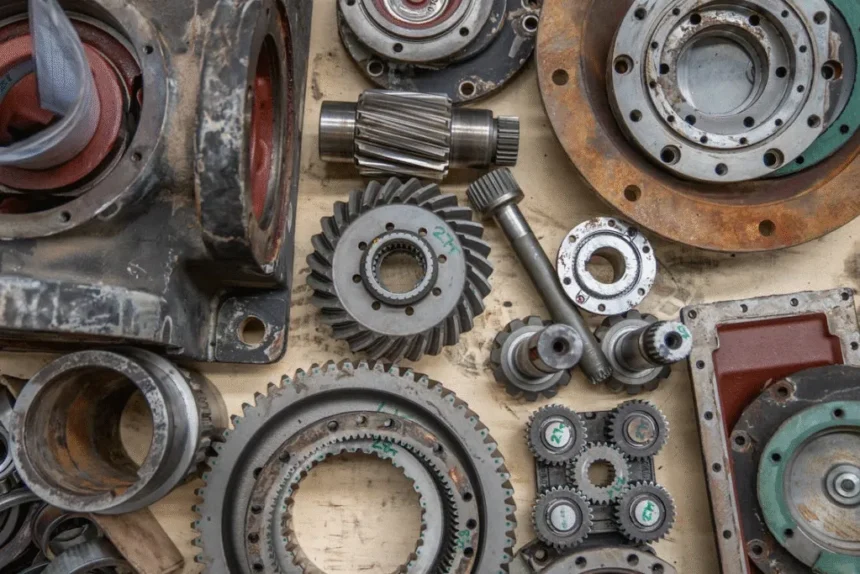
Heavy machinery plays a central role in keeping industrial and logistics operations running efficiently. From warehouses to manufacturing plants, equipment performance directly affects productivity, timelines, and overall business profitability. When components begin to wear out, even minor inefficiencies can quickly escalate into costly disruptions. For this reason, replacing worn-out machinery parts should not be treated as a routine fix but as a strategic decision that supports long-term operational stability.
Businesses that take a proactive approach to component replacement reduce the risk of unexpected downtime and maintain a safer working environment. Sourcing the right replacement parts becomes critical, especially for specialized equipment that demands precision and reliability. Companies often need dependable suppliers who can deliver high-quality components quickly, ensuring operations continue without unnecessary delays.
Sourcing Reliable Components for Long-Term Performance
Choosing the right supplier is one of the most important decisions when replacing worn-out machinery components. Industrial operations rely heavily on the consistent performance of machine parts such as hydraulic systems, bearings, seals, and lift assemblies. When these components begin to degrade, businesses must act quickly to prevent disruptions. Low-quality replacements can increase wear, reduce efficiency, and lead to repeated failures, making it critical to source parts that align with operational demands.
Sourcing specialized items, particularly equipment such as forklifts and lift trucks, requires accuracy and access to a broad inventory. For businesses seeking a trusted supplier, Intella Parts lists a wide range of replacement components across multiple brands and helps streamline the process of sourcing the right parts. This level of accessibility supports faster decision-making and reduces delays in maintenance cycles. As a result, companies can maintain consistent equipment performance and minimize unnecessary operational downtime.
Managing a Diverse Equipment Fleet: The Challenge of Maintenance
Maintaining a diverse fleet of industrial equipment poses unique challenges. Different machines require specific components, maintenance schedules, and technical expertise. Without proper coordination, businesses may struggle to keep track of replacement timelines and part availability.
A structured maintenance strategy helps organizations stay ahead of potential issues. By standardizing processes and maintaining clear records, companies can reduce confusion and improve efficiency. Effective fleet management ensures that each piece of equipment receives the attention it needs, preventing avoidable failures.
Identifying the Warning Signs of Component Failure
Recognizing early signs of wear is essential for preventing major equipment failures. Unusual vibrations, increased heat, and abnormal noise often indicate that a component is deteriorating. Ignoring these signals can lead to more serious damage and costly repairs. Subtle changes in performance, such as reduced efficiency or delayed response times, can also signal underlying issues.
Regular inspections and monitoring systems play a key role in early detection. Operators should be trained to report irregularities, while maintenance teams should track performance data. This proactive approach allows businesses to address issues before they escalate into operational disruptions. Over time, consistent monitoring helps build a clearer understanding of equipment behavior and maintenance needs.
The Cost of Procrastination: Why Delays Are Expensive
Delaying the replacement of worn-out components can have significant financial consequences. While immediate costs may seem manageable, the long-term impact of equipment failure can include lost productivity, emergency repair costs, and missed deadlines. These hidden costs can quickly add up.
Timely replacement, on the other hand, improves return on investment by extending equipment lifespan and maintaining efficiency. Businesses that act early avoid sudden breakdowns and maintain smoother operations. Investing in proactive maintenance ultimately reduces total ownership costs and supports consistent performance.
Compatibility and Technical Specifications Matter
Selecting the right replacement component requires careful attention to technical specifications. Each piece of equipment is designed with precise requirements, and even small deviations can affect performance. Using parts that meet or exceed OEM standards helps maintain efficiency and prevents unnecessary strain on other components. This level of precision ensures that machinery continues to operate as intended without introducing new risks.
Verifying part numbers, load capacities, and material quality is essential before installation. Businesses should also review manufacturer guidelines to ensure proper fit and function. Taking these steps reduces the risk of premature failure and supports consistent equipment operation across demanding environments. It also helps maintenance teams avoid costly rework caused by incorrect installations.
Understanding Wear Patterns and Failure Analysis
Analyzing worn components provides valuable insights into the root causes of failure. Patterns such as uneven wear, cracking, or corrosion often indicate issues such as misalignment, overloading, or inadequate lubrication. Identifying these factors allows businesses to address underlying problems rather than just replacing parts. This deeper understanding leads to more effective maintenance planning.
Maintenance teams can use this information to refine inspection routines and improve overall equipment care. Consulting with technicians or engineers adds another layer of accuracy to the diagnosis of failures. This approach helps prevent recurring issues and extends the lifespan of critical machinery. Over time, it contributes to more predictable and stable equipment performance.
The Safety Factor: Protecting Workers and Compliance
Worn-out machinery components can pose serious risks to workplace safety. Faulty parts increase the likelihood of equipment malfunctions, which may lead to accidents or injuries. Maintaining reliable components is essential for creating a safe working environment and protecting employees. A strong safety focus also improves workforce confidence and operational morale.
Compliance with safety regulations also depends on proper maintenance practices. Regular inspections and timely replacements help businesses meet industry standards and avoid penalties. By prioritizing safety, organizations reduce liability risks and build a more secure and efficient operation. This also strengthens their reputation as responsible and compliant operators.
Modernizing Maintenance: From Reactive to Predictive Strategies
Modern maintenance strategies focus on preventing failures before they occur. Predictive maintenance tools, such as sensors and data analytics, allow businesses to monitor equipment performance in real time. This approach helps identify potential issues early and schedule replacements more effectively. It also enables teams to make data-driven decisions rather than relying solely on manual inspections.
Shifting from reactive repairs to predictive planning improves operational efficiency. It reduces unexpected downtime and allows for better resource allocation. Companies that adopt these strategies gain greater control over their maintenance processes and enhance long-term productivity. As a result, they can scale operations more confidently while maintaining equipment reliability.