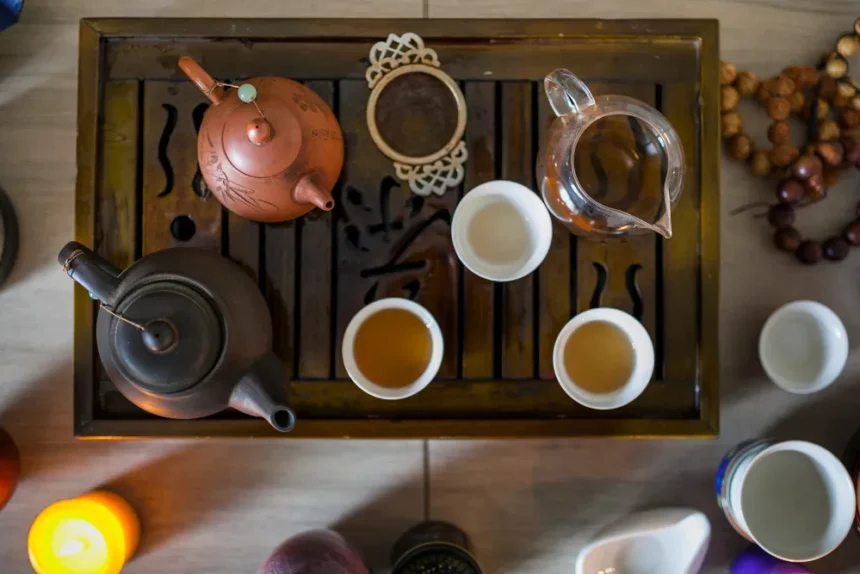
Gongfu tea, often referred to as the ‘Art of Tea’, is an ancient Chinese tradition that goes beyond the simple act of making tea. It is an immersive practice that emphasizes precision, mindfulness, and a deep appreciation for the nuances of aroma and flavor. Originating from the Fujian and Guangdong provinces of China, gongfu cha literally translates to “making tea with skill”. This meticulous method highlights the beauty of both the tea and the process itself, transforming an everyday beverage into a harmonious ritual.
At the heart of this practice is the traditional gongfu tea set, an essential ensemble that includes specific tools designed to enhance the tea experience. The brand like Teasetbox offer a curated selection of these traditional sets, each chosen to amplify the rich, cultural heritage of gongfu tea. A typical set comprises a small teapot or gaiwan, serving cups, a fairness cup, a tea strainer, a tea tray, and sometimes, accessories like tea tongs or a tea scoop. Each item serves a distinct purpose, ensuring the tea’s flavor is perfectly extracted and presented.
With the right gongfu tea set, practitioners, whether beginners or seasoned tea masters, can delve deeply into the art of tea-making. This practice encourages patience and reflection, inviting participants to slow down, connect with their senses, and appreciate the subtleties of high-quality teas. As beautiful as it is meditative, the art of gongfu tea is a timeless tradition that continues to captivate tea enthusiasts around the globe.
Understanding Gongfu Tea Sets
Gongfu tea sets are more than just a collection of teaware; they are a gateway into a rich cultural practice that celebrates the intricacies of tea preparation and appreciation. To truly understand what makes a gongfu tea set special, it’s important to recognize both its functional components and its aesthetic value.
1. Components of a Gongfu Tea Set
A traditional gongfu tea set typically includes several key items:
Teapot or Gaiwan: Central to the tea set, the teapot, usually made from Yixing clay, or the gaiwan, a lidded bowl made from porcelain or glass, is where the leaves are steeped with precision. The porous nature of Yixing clay can enhance the flavor of tea over time, making these teapots prized possession among enthusiasts.
Fairness Cup (Cha Hai): This is used to ensure the even distribution of tea’s flavor and aroma amongst all the drinkers. Once the tea has steeped to perfection, it is poured into the fairness cup before being served to ensure each guest receives the same strength of tea.
Tea Cups (Cha Bei): Gongfu tea sets often include petite tea cups that highlight the taste and aroma of the tea. Their small size encourages multiple infusions from the same leaves, allowing drinkers to experience the evolving flavors.
Tea Tray (Cha Pan): This functional yet decorative item is designed to catch any spills during the preparation and serving process. It often features a slatted design to drain liquid into a tray below it, keeping the experience clean and organized.
Tea Strainer (Cha Lou): Used to catch any loose leaves or debris while pouring tea from the pot into the fairness cup, ensuring a smooth, leaf-free tasting experience.
Accessories: Additional tools such as tea tongs, used for handling cups without directly touching them, a tea scoop for measuring out leaves, and a tea needle to unclog teapot spouts, may also be part of a comprehensive set.
2. The Aesthetic Appeal
Beyond their practical use, gongfu tea sets are cherished for their artistic beauty and craftsmanship. Each piece is often intricately designed or handcrafted, reflecting the cultural heritage and artistic traditions of its origin. Materials range from the earthy textures of unglazed Yixing clay to the delicate translucence of fine porcelain or the bold simplicity of celadon or glass. Each choice of material and design speaks to personal preference and enhances the overall tea-drinking experience.
3. Selecting the Right Gongfu Tea Set
Choosing the right gongfu tea set involves considering both personal taste and the qualities of the tea you wish to explore. A clay teapot might be best for oolong lovers, while a glass gaiwan might suit those who enjoy watching green tea leaves unfurl. Ultimately, the connection you feel to the set, through both its functionality and beauty, adds depth to the gongfu tea experience.
Understanding gongfu tea sets means embracing the synthesis of form and function that characterizes this ancient art. These sets are not mere vessels but integral conduits of a ritual that invites a thoughtful journey into the world of tea.
Tips for Beginners: Choosing Your First Gongfu Tea Set
Embarking on the journey of gongfu tea can be both exciting and overwhelming, especially when confronted with the variety of tea sets available. Here are some practical tips to help beginners select their first gongfu tea set:
1. Start Simple
As a beginner, start with a basic set that includes the essentials: a gaiwan or a small teapot, a fairness cup, and a few tea cups. This allows you to focus on mastering the brewing process without feeling daunted by too many components. You can always expand your collection as you become more comfortable with the practice.
2. Consider Material
Different materials can significantly affect the brewing process and flavor profile of the tea:
- Porcelain: Ideal for all types of tea due to its non-porous nature. It’s great for beginners who want versatility without making a large investment in multiple sets.
- Yixing Clay: Porous and suitable for oolong and black teas. Over time, clay pots can absorb flavors, enhancing the taste of future brews. It’s advised to dedicate a clay pot to one type of tea.
- Glass: Allows for a visual appreciation of the leaves steeping and is suitable for all teas, particularly visually striking greens and whites.
3. Choose Based on Tea Preferences
Consider the types of tea you enjoy or wish to explore. Some teapots and gaiwans are better suited to specific teas. For instance, if you’re drawn to oolong teas, a Yixing clay teapot would be advantageous. If you prefer green or white teas, a glass or porcelain gaiwan might serve you better.
4. Size Matters
Gongfu tea sets often consist of smaller vessels than Western counterparts, designed for multiple quick infusions. Ensure your set is proportionate to how much tea you plan to brew at a time. A larger gaiwan or teapot might be more practical if you frequently enjoy tea with guests, while a smaller set is ideal for personal use.
5. Budget Wisely
While it’s tempting to go for the most ornate or expensive set, it’s wise to start with a budget-friendly option. This allows you to explore the craftsmanship and nuances of gongfu tea without significant financial commitment. As your understanding and appreciation grow, you can invest in higher-quality or more specialized pieces.
6. Seek Guidance and Reviews
Before purchasing, seek advice from experienced tea enthusiasts or conduct research online to read reviews about different sets and brands. Joining a tea community, either locally or online, can provide valuable insights and recommendations.
7. Embrace the Aesthetics
Finally, choose a tea set that visually resonates with you. Gongfu tea is as much about the visual pleasure and tactile experience as it is about the taste. Your connection to the set will enhance the overall enjoyment and ritual of gongfu tea.
By taking a thoughtful approach to selecting your first gongfu tea set, you lay the foundation for a rewarding exploration of tea culture that balances both function and beauty.
Tips for Connoisseurs: Expanding Your Collection
Once you’ve moved beyond the basics and are looking to deepen your engagement with gongfu tea, expanding your collection can open up new dimensions of appreciation. Here are some tips to guide seasoned enthusiasts on their journey:
1. Focus on Specialty Teapots
For those with a growing expertise, investing in specialty teapots can be immensely rewarding. Consider sourcing region-specific vessels, such as a Yixing teapot renowned for its unique clay properties, which enhance the flavor of certain teas like oolongs and pu-erhs. Each pot will develop a character over time, reflecting the teas brewed within it.
2. Diversify Your Teaware Materials
Explore a variety of materials to experience how each affects the brewing process and the flavor of your tea. Porcelain can highlight delicate flavors, while clay teapots may offer a more robust taste. Experimenting with glass, ceramic, and metal adds versatility and can match different forms of tea.
3. Collect Vintage and Artisan Pieces
Seek out vintage teaware or artisan-crafted pieces to enrich your collection. Handcrafted teaware often brings both a unique aesthetic and a narrative, making your tea sessions feel more personal and connected to tea’s rich cultural history. Participate in auctions or visit specialized shops that focus on antique or handmade items.
4. Curate a Selection of Gaiwans
Gaiwans are versatile and practical. Consider expanding the variety within your collection, focusing on designs and sizes that suit different types of tea. A larger gaiwan for group servings or an ergonomically designed piece for more comfortable handling can add utility and flair to your rituals.
5. Explore Themed Accessories
As a connoisseur, you can refine every aspect of your tea experience. Look into themed or seasonal accessories, such as tea trays, mats, and tea pets, to harmonize with your existing collection. These additions not only enhance the aesthetics but also contribute to the overall sensory experience.
6. Develop Personal Relationships with Artisans
Cultivating relationships with local or international artisans helps you acquire bespoke items while supporting the craft. Personalized pieces make for a distinctive and meaningful collection, as knowing the story and craftsmanship behind each article enhances your appreciation.
7. Invest in Storage Solutions
As your collection grows, proper storage will become essential. Invest in cabinetry or shelving that supports both display and functionality. Consider climate-controlled or specialized storage for your teas to maintain their quality and flavor.
Expanding your gongfu tea set collection is as much about personal expression as it is about function. By combining a discerning eye with an appreciation for craftsmanship and cultural significance, your collection can evolve into a captivating journey through the world of tea.
Considerations for Quality and Longevity
When investing in a traditional gongfu tea set, quality and longevity are paramount. The intricate art of gongfu tea not only highlights the flavors and aromas of the tea but also pays homage to centuries-old traditions. Here are some crucial considerations to ensure your tea set stands the test of time:
1. Material Quality
The material of your tea set can significantly influence both its durability and the taste of the tea. Premium materials such as porcelain, Yixing clay, glass, or high-grade ceramic are commonly used due to their ideal heat retention and non-reactive qualities. For instance, Yixing clay, with its breathable nature, enhances the tea’s flavor over time as it absorbs the essence of each brew.
2. Craftsmanship and Finish
Pay attention to the craftsmanship of the pieces. Well-crafted tea sets will have smooth finishes, seamless joins, and a balanced weight that reflects superior workmanship. Handcrafted pieces, though often more expensive, can offer unparalleled quality and longevity, each one bearing a unique touch from the artisan.
3. Functionality and Practical Design
A tea set’s functionality caters to the traditional gongfu tea ceremony, which involves multiple short infusions. Look for items that are easy to handle, pour without spillage, and provide comfortable grip. The design should facilitate ease of movement; for example, a pot that pours cleanly and cups that fit well in hand.
4. Maintenance and Care
Proper care can extend the life of your tea set. Regularly clean each piece according to its material’s requirements, many Yixing teapots, for instance, should be rinsed with water only and not with soap to preserve their natural patina. For porcelain and ceramic, gentle washing ensures that patterns, glazes, and paints remain vivid and intact.
5. Replaceable Components
Consider tea sets that offer replaceable or available spare parts for items like lids or filters. This foresight can be crucial in maintaining the longevity of the entire set, enabling you to replace just the worn-out parts instead of the whole item.
6. Resistance to Environmental Factors
Ensure your set is resilient to temperature changes and humidity, as these factors can lead to cracking or mold if not accommodated. High-quality materials and good craftsmanship help protect against such environmental stressors.
By prioritizing quality materials, skilled craftsmanship, functional design, thoughtful care, and environmental resistance, your traditional gongfu tea set can become a prized possession, offering enjoyment and cultural connection for years to come.
Conclusion: Enhancing Your Tea Experience
Using a traditional gongfu tea set goes beyond owning teaware; it immerses you in the cultural heritage of the Chinese tea ceremony. Choosing a well-crafted set from quality materials forms the basis for an authentic tea experience. Thoughtful design enhances your tea practice, ensuring pleasurable brews that honor ancient traditions. Regular maintenance and care preserve its beauty and function, while replaceable parts and environmental resistance ensure sustainability. A well-maintained gongfu set becomes a centerpiece for moments of tranquility and connection, transforming each brew into mindful appreciation of cultural richness.