Something has clearly changed in how outdoor space gets treated. The backyard used to sit in a strange middle ground. It looked nice, maybe hosted a few gatherings, then went quiet again. However, people are now pushing more of their daily life outward, whether that involves storing equipment, setting up hobby zones, or just trying to keep the inside of the house from overflowing.
And this brings a different kind of thinking into home improvement. Aesthetic upgrades alone no longer carry enough value. Every addition now gets questioned in terms of usefulness. Does it solve a real problem? Does it free up space somewhere else? Does it support something that actually happens during the week? This line of thinking changes everything, turning the backyard into a working zone that supports daily life instead of sitting on standby.
Storage That Actually Solves Something
Random storage setups scattered across a yard rarely hold up over time. Tools end up misplaced, seasonal items drift between indoor and outdoor spaces, and the whole setup starts feeling disjointed. A more intentional approach treats storage as a central feature rather than an afterthought. Placement, size, and access points all get considered, shaping how the rest of the yard comes together.
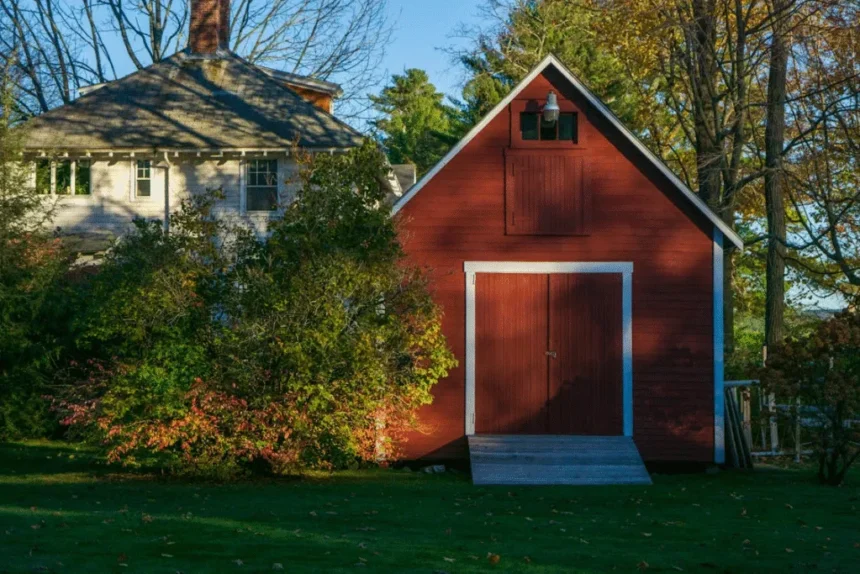
Larger, well-designed storage units bring a surprising level of order into the space, like sheds. There is room to group items logically instead of stacking things wherever they fit. Equipment stays accessible, clutter stays contained, and movement across the yard becomes easier. Keter’s durable outdoor storage sheds offer capacity that supports real usage without turning the yard into a storage-heavy zone. This large shed collection attracts homeowners for several reasons, with affordability being a major factor.
Landscaping That Doesn’t Boss You Around
High-maintenance landscaping tends to take over the yard in ways that limit how it can be used. Certain plants demand constant trimming, fragile layouts discourage foot traffic, and suddenly the space feels like something to protect rather than enjoy. A shift toward simpler, tougher landscaping choices brings the yard back under control.
Ground-level greenery, gravel sections, and plants that hold up without constant care open up the space in a different way. Movement becomes easier. Rearranging furniture or adding new elements stops feeling risky. The yard starts working alongside daily habits instead of interrupting them. There is still visual appeal, but it comes through clean structure and smart choices rather than constant upkeep.
Zones That Make Sense Without Thinking
A backyard with no clear structure often turns into a catch-all space. Chairs drift into storage areas, tools end up near seating zones, and nothing really feels settled. Creating defined zones changes how the entire space operates. Each section gets a purpose, which brings a quiet sense of order that doesn’t need constant attention.
Moreover, separation between relaxation, storage, and activity areas helps everything function smoothly. A seating area feels more inviting when it isn’t surrounded by scattered equipment. A storage zone works better when it isn’t competing with foot traffic. Even subtle layout changes, such as positioning or spacing, can reshape how the yard feels during everyday use.
Weather Isn’t Running the Show Anymore
Outdoor spaces that rely on perfect weather tend to go unused more often than people expect. A little rain, too much sun, or a sudden temperature change can clear out the space completely. This kind of unpredictability limits how useful the backyard can be. A more practical setup builds in resilience so the space stays usable across different conditions.
Weather-resistant materials, covered sections, and surfaces that handle exposure without constant care all contribute to that reliability. Furniture stays in place, surfaces hold up, and the yard remains functional without needing to be reset after every change in weather.
Boundaries That Guide, Not Just Divide
Fences and boundaries are starting to do more than outline property lines. They are being used to shape how the yard feels and functions. Instead of acting as rigid barriers, they help define areas without cutting the space into disconnected sections. Placement, height, and material all contribute to how movement flows across the yard.
A well-placed boundary can create a sense of separation between active and quiet areas without closing anything off. Storage zones feel tucked away. Seating areas feel more intentional. Movement between sections feels natural rather than forced.
Patios That Don’t Lock You In
A lot of older patio layouts feel fixed in place. Furniture stays arranged in one way, pathways feel narrow, and any attempt to use the space differently turns into a hassle. This rigid setup doesn’t really match how people use their backyards now. A more flexible layout opens things up, allowing the same area to support different activities without needing constant rearranging.
Open floor space becomes just as important as seating itself. Instead of filling every corner, leaving room to move around gives the patio a different kind of usefulness. A table setup one day can shift into a casual lounging area the next without much effort.
Gardens That Don’t Take Over
Garden spaces have started to shift away from high-effort setups that demand constant attention. The focus now leans toward something more balanced, where planting still feels rewarding without turning into a full-time responsibility. A garden that fits into a routine rather than dominating it tends to last longer and stay more enjoyable.
Simple layouts, raised beds, and thoughtful plant selection make a noticeable difference here. Herbs, seasonal vegetables, or low-maintenance greens can sit alongside the rest of the yard without creating pressure to maintain perfection.
Real-Life Driven Upgrades
A lot of backyard upgrades used to follow trends that looked great in photos but didn’t hold up in everyday use. Homeowners are now paying closer attention to how they actually spend time outside, and that awareness is shaping decisions in a more grounded way.
Practical habits tend to guide the process. Storage gets added where clutter builds up. Seating appears where people naturally gather. Work areas form around hobbies that already exist. This approach creates a space that feels personal and functional at the same time, without forcing elements that don’t match real usage.
Backyards are starting to operate with purpose rather than just presence. Every update, whether large or small, connects back to how the space supports everyday life. Storage, layout, materials, and design all work together to create something that feels usable without constant adjustment. A more practical mindset keeps everything grounded.