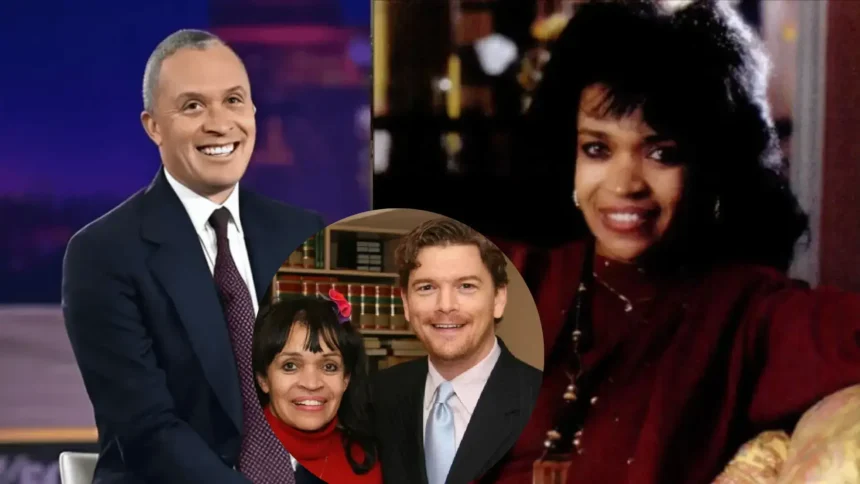
When we talk about influential figures in American politics, the spotlight usually shines on elected officials, business leaders, or prominent public advocates. But behind many great leaders are individuals who provide support, wisdom, and resilience without asking for recognition. One such figure is Dorothy Bowles Ford, the woman who helped nurture and shape one of Tennessee’s most well-known political families.
Dorothy Bowles Ford is often introduced as the mother of Harold Ford Jr., a former U.S. Congressman and political commentator, and the former wife of Harold Ford Sr., a historic political leader from Memphis. Yet her identity stretches far beyond those associations. She is a woman whose strength, values, and commitment to family helped forge a legacy in American public service. To understand the impact of the Ford family, one must also understand the quiet foundation laid by Dorothy, a woman who lived her public life privately.
Dorothy Bowles Ford – Key Information
| Attribute | Details |
| Full Name | Dorothy Bowles Ford |
| Date of Birth | Not publicly known (estimated late 1940s) |
| Year of Birth | Approximately 1949 |
| Age (as of 2025) | Approximately 76 years old |
| Place of Birth | Memphis, Tennessee, USA |
| Father’s Name | Not publicly documented |
| Mother’s Name | Not publicly documented |
| Zodiac Sign | Unknown (birthdate not verified) |
| Nationality | American |
| Ethnicity | African-American |
| Religion | Christianity (reported by various sources) |
| Marital Status | Divorced |
| Ex-Husband | Harold Eugene Ford Sr. |
| Children | 3 – Harold Ford Jr., John Newton “Jake” Ford, Sir Isaac Ford |
| Career / Occupation | Former Consumer Coordinator and Regulatory Manager at Potomac Electric Power Company |
| Known For | Being the mother of U.S. politician Harold Ford Jr. and member of the Ford political family |
| Current Residence | Lives a private life in the United States |
| Public Presence | Very private; rarely appears in media |
Early Life and Background
Born in Memphis, Tennessee, in the late 1940s, Dorothy grew up in a city central to the Civil Rights movement and the broader struggle for equality in the United States. Memphis was a place where Black communities fought tirelessly for representation and dignity, and the influences of that era shaped the character and convictions of many young African Americans, Dorothy included.
Though not much is published publicly about her early family life, the values evident in her later years strongly reflect an upbringing rooted in faith, self-determination, and responsibility. The barriers faced by Black women during the mid-20th century were significant, but Dorothy pursued personal growth and professional ambitions despite the constraints of the time. Her story is one of purpose shaped by perseverance and understanding of the stakes involved in progress.
From her youth, she was known to be focused, community-minded, and committed to the welfare of those around her, traits that would serve her throughout her life as a mother, working professional, and member of a major political household.
Professional Life: Capability Beyond the Public Eye
Dorothy Bowles Ford’s career is an important, though often understated, part of her story. She worked with the Potomac Electric Power Company in a role that required both organization and public-oriented responsibility. Serving as a consumer coordinator and regulatory functions manager, she dealt with consumer concerns and compliance issues, responsibilities that demanded tremendous professionalism and communication ability.
In a time when many women, especially Black women, were systematically overlooked in corporate environments, Dorothy earned respect through competence. She demonstrated that effective public service can happen quietly, far from podiums or press coverage, and still have real impact.
Her work helped establish a model for balancing professional excellence with family and community life. It also showed her children that meaningful contributions do not require a public title, a lesson that likely helped ground them as they entered the high-pressure world of politics and public commentary.
Marriage to Harold Ford Sr.: A Partner in Purpose
Dorothy married Harold Eugene Ford Sr. in 1969. At the time, Harold Sr. had not yet become the landmark figure recognized today, and the couple began their life together with ambition and mutual support. In 1975, Harold Sr. made history when he was elected to the U.S. House of Representatives, becoming Tennessee’s first African American to hold such a role and one of the earliest Black Congressmen in the modern era.
Political life is demanding. It brings relentless schedules, public scrutiny, and high expectations. Dorothy provided not only moral support but also structure and stability to their household. The role of a political spouse is often invisible to the public, yet deeply felt behind closed doors. It requires patience, resilience, and talent for navigating both domestic responsibilities and professional pressures. Dorothy was a central support system during the peak of the Ford family’s political prominence.
While her husband engaged in public advocacy, she ensured that their family life remained grounded. Her dedication to her sons, home, and community enabled her husband to focus on historic legislative and civic work. The partnership may not have always been visible to the world, but its importance was undeniable.
Motherhood: Raising Leaders With Purpose
Dorothy and Harold Sr. welcomed three sons: Harold Jr., John Newton (known as Jake), and Sir Isaac. From the very beginning, Dorothy was intentional about the values she instilled in them. She emphasized education, accountability, empathy, and dedication to the broader community. She balanced discipline with encouragement, ensuring her children understood the privilege and responsibility that came with public life.
Her oldest son, Harold Ford Jr., would later go on to serve five terms in Congress, beginning at the remarkably young age of 26. His confidence, eloquence, and strong leadership instincts can be traced to the home environment Dorothy helped cultivate. Her other sons also benefitted from her influence, each developing strong personal foundations and finding their own paths.
Dorothy’s approach to motherhood reflected a mix of nurturing warmth and pragmatic guidance. She knew the world would expect excellence from her children, especially given their father’s position, and she made sure they were prepared. In this sense, her parenting was not just about raising children, it was about shaping responsible public citizens.
A Woman of Quiet Community Commitment
Although she could have chosen to publicly align herself with campaigns, political causes, or attention-drawing roles, Dorothy preferred to offer her service in less conspicuous ways. Her civic involvement was characterized by sincerity rather than showmanship. She supported her community through participation, encouragement, and an authentic concern for the lives around her.
Many women of her time, especially those connected to public figures, were expected to stand beside their husbands in front of cameras, but Dorothy found a different approach, one that prioritized substance over visibility. She was a listener, a problem-solver, and a steady voice of reason. Every community has figures like her: those who hold up the very structure without demanding applause.
Life After Divorce: Independence and Reinvention
Dorothy and Harold Sr. divorced in 1999, after more than 30 years of marriage. For anyone, the end of such a long partnership marks a significant life transition. For someone in a political family, these moments are further complicated by public curiosity and commentary.
Dorothy faced that shift with the same quiet strength that defined so much of her earlier life. She chose not to remarry and instead focused on the continuation of her own journey, one rooted in personal fulfillment and connection with her children and community. Her independence became another testament to her resilience and character. She had supported a prominent political legacy, but she remained the author of her own future.
Also Read – CaseOh
Her Legacy: A Life That Shaped Leaders
Although Dorothy Bowles Ford may not appear frequently in major media or political biographies, her legacy is undeniably woven into the history of Tennessee politics and the broader national stage.
Her influence can be recognized through:
The values and success of her children
She helped raise a prominent political leader and two strong sons, each carrying forward aspects of her teaching.
Her contributions to representation
As a Black woman supporting a landmark political career, she was part of a wave of change that expanded representation in American governance.
Her embodiment of perseverance and dignity
She demonstrated that strength does not require center stage; it thrives in everyday acts of commitment.
Her steadfast community involvement
Her work and presence reminded those who knew her that service is not defined by fame.
Dorothy Bowles Ford is a figure who represents countless women whose names are not written in history books, yet whose influence is felt in every chapter. Her story makes clear that public recognition has never been the sole measure of impact.
Conclusion: The Unsung Architect of a Legacy
To understand American politics, especially its progress toward inclusion, we must acknowledge the individuals whose efforts occurred away from microphones and cameras. Dorothy Bowles Ford is one such individual. Her contributions, through family, career, and community, helped shape the lives of leaders who went on to influence the nation.
She lived in a world where Black women were often overlooked despite doing some of the most vital work, yet she continued building, supporting, and strengthening those around her. She stands as a reminder that behind every visible leader is a foundation of guidance, sacrifice, and devotion.
Dorothy Bowles Ford may not have sought the spotlight, but she made the light possible for others. And in doing so, she secured her place in a legacy that continues to make a difference today.
FAQs
Dorothy Bowles Ford is the mother of former U.S. Congressman Harold Ford Jr. and the former wife of Tennessee politician Harold Ford Sr. She is respected for her influence within the Ford family and her contributions both professionally and in her community.
Her exact birth date has not been made public, but she is estimated to have been born around 1949 in the United States, most likely in Tennessee.
Dorothy Bowles Ford worked as a consumer coordinator and regulatory functions manager in the utility industry, demonstrating strong organizational and public service skills throughout her career.
No. Dorothy Bowles Ford and Harold Ford Sr. divorced in 1999 after more than 30 years of marriage. Since then, she has lived a private and independent life.
She is the mother of three sons: Harold Ford Jr., John Newton “Jake” Ford, and Sir Isaac Ford. All three were raised with strong values that reflect her influence.