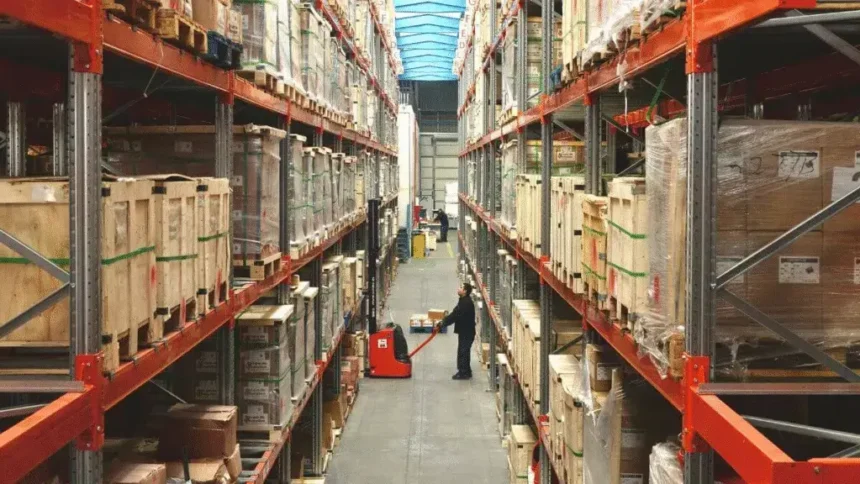
A warehouse plays a key role in moving products. It stores goods safely, keeps them organised and prepares them for delivery. A well-planned logistics warehouse depends on strong storage solutions to keep this flow smooth. These solutions affect how goods move, how quickly orders are processed and how well a business meets customer needs. A logistics warehouse is more than a building. It is a controlled space where products are received, processed, stored and shipped with accuracy.
What Makes a Logistics Warehouse Important
A logistics warehouse handles tasks that support every part of the supply chain. It protects goods and keeps operations smooth. It helps teams manage materials with ease. It allows businesses to hold stock, meet demand and avoid delays. When goods move correctly inside the warehouse, customer service improves and costs reduce.
Key Functions Inside a Logistics Warehouse
Goods Receipt
The first step is receiving incoming stock. Staff inspect goods for damage. They check quantities and record every item in the system. This step ensures accuracy before storage begins.
Organised Storage
Stored goods must remain safe until they move again. A clear layout helps staff locate products fast. Storage zones can change based on demand or product type. Tools and systems must support safety and speed. Structured spaces reduce search time and protect materials.
Inventory Control
Accurate stock levels support smooth planning. Teams monitor stock movement daily. Digital tools help track shortages and delays. Good control prevents overstock issues and stockouts.
Order Picking
Order picking is a key stage in warehouse activity. Teams locate items and prepare them for packing. Fast movement and clear systems reduce mistakes. A strong picking process keeps shipments on time.
Packing
Packed goods must stay safe during transport. Staff label, seal and prepare each order. Correct packing reduces breakage and improves customer experience.
Dispatch
The dispatch zone prepares goods for shipment. Orders leave based on driver routes and delivery times. Proper scheduling improves outbound flow and avoids loading delays.
Returns Handling
Returned products must be checked with care. Teams check faults, defects or incorrect orders. Items may return to stock or move to a separate zone. Effective handling saves time and recovers value.
Key Areas Inside a Logistics Warehouse
Receiving Area
This area handles all incoming materials. Goods arrive, get inspected and enter the system. Accurate data entry prevents later errors.
Storage Area
This is the main holding zone for products. Businesses use racking, shelving or block stacking. Each method suits a type of product. Pallet racking systems support safe, high-density storage.
Picking Area
High-demand items are often kept close to picking zones. Workers collect products faster. This reduces walking time inside the warehouse.
Consolidation and Packing Areas
Picked items move to consolidation. Workers group them into complete orders. Packed products then move to dispatch.
Loading and Unloading Zone
This area manages constant vehicle movement. Forklifts help load and unload trucks. A well-arranged zone prevents roadblocks and improves turnaround speed.
Quality Control Zone
Here, teams check product quality. Any issues are resolved before the goods reach customers.
Why the Logistics Warehouse Matters in the Supply Chain
A warehouse supports the whole supply chain. It protects products and ensures timely delivery. It creates a stable link between suppliers and customers. It reduces transport pressure and helps firms manage demand changes. A good warehouse layout saves labour time. It also cuts transport delays and improves customer satisfaction.
Cost Optimisation
Structured operations reduce waste and extra cost. Space is used smarter. Stock stays organised. Labour becomes more productive.
Risk Management
Warehouses protect goods from theft and damage. Correct procedures reduce supply issues. Stock remains safe during uncertain market periods.
Stronger Coordination
A warehouse becomes a control point. It links suppliers, carriers and customers. Better coordination leads to smooth operations.
Reverse Logistics
Returns can drain time and money. A good system manages them with ease. Products re-enter inventory faster when needed.
How to Optimise Warehouse Operations
Strong layout planning improves flow. Technology supports speed and accuracy. Trained workers reduce delays and errors. Many companies adopt warehouse storage racks to maximise height space and reduce floor congestion.
Some ways to improve operations include:
- Arrange fast-moving goods near the dispatch.
- Reduce walking time with clear aisle paths.
- Use high-quality equipment for safe handling.
- Train teams to use digital tools and picking methods.
- Improve communication between suppliers and carriers.
- Maintain quality control at every stage.
Indirect guidance from storage experts like Godrej Storage Solutions helps many firms choose safe, durable equipment without slowing operations.
Conclusion
A logistics warehouse is a living system. It changes every day based on what arrives and what leaves. It works best when movement stays smooth and the space supports every task. Creative planning, strong warehouse storage systems and skilled teams shape its success. When the layout aligns with demand, goods move without delays. When storage tools work well, teams work faster. A well-managed logistics warehouse becomes a powerful asset. It strengthens the supply chain and protects business growth.