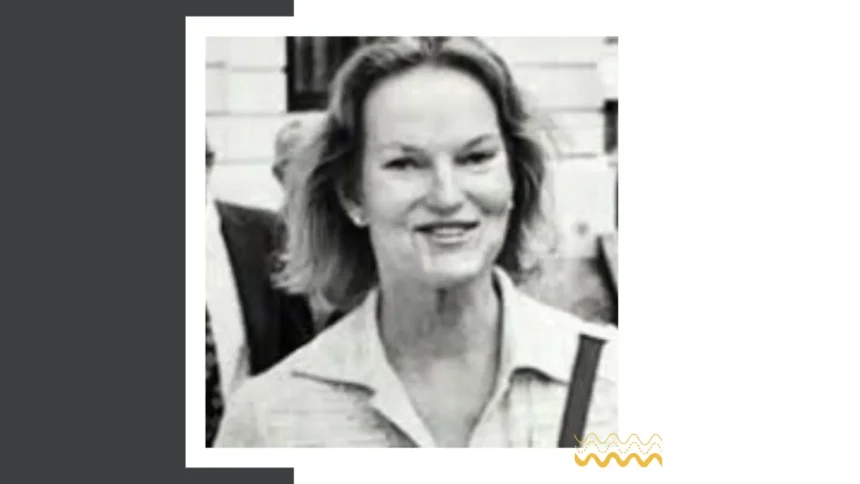
Chandi Heffner’s life is one of the most unusual, fascinating, and debated stories in the history of American wealth and celebrity. From humble beginnings to becoming the adopted daughter of one of the richest women in the world, and then an unexpected legal battle over a billionaire’s estate, her story reads like a screenplay filled with love, betrayal, spiritual mystery, and courtroom drama.
Chandi Heffner – Quick Bio
| Sr. | Detail | Info |
| 1 | Full Name | Charlene Gail Heffner |
| 2 | Known As | Chandi Heffner |
| 3 | Birth Year | 1953 |
| 4 | Age (2025) | ~72 |
| 5 | Birthplace | Baltimore, Maryland, USA |
| 6 | Father | Not publicly known |
| 7 | Mother | Not publicly known |
| 8 | Sister | Claudia Heffner Peltz |
| 9 | Marital Status | Not married (no confirmed legal marriage) |
| 10 | Known Partner | Social link to actor Paul Reubens (not married) |
| 11 | Occupation | Philanthropist, animal rescuer |
| 12 | Notable For | Adopted by Doris Duke (1988); later legal settlement |
Chandi Heffner Early Life and Family Background
Birth and Upbringing
Charlene Gail Heffner was born in 1953 in Baltimore, Maryland, into an ordinary, middle-class American family. Her upbringing was not associated with wealth or celebrity, and there is limited publicly disclosed material on her childhood, suggesting a relatively private early life.
She grew up alongside several siblings, including Claudia Heffner, who later gained prominence as a fashion model and subsequently married billionaire investor Nelson Peltz. Although Claudia’s marriage later connected the family to substantial wealth and public recognition, that development occurred long after Chandi’s early formative years.
Education and Early Interests
Specific educational records for Heffner are not broadly documented, though reports indicate she possessed interests in the humanities, comparative religion, and the performing arts from a young age. Her affinity for dance, particularly forms related to Middle Eastern performance traditions, became more evident in adulthood.
Early Career and Relocation to Hawaii
By the late 1970s, Heffner relocated to Hawaii, a state that would play a central role in her personal, spiritual, and later philanthropic life. Hawaii, known for its syncretic cultural atmosphere and strong communities of spiritual seekers, provided a setting that aligned with Heffner’s emerging interests in Eastern religions and alternative lifestyles.
Spiritual Development and Ideological Formation
Introduction to Eastern Religions
While living in Hawaii, Heffner became increasingly involved in various spiritual movements, including exposure to Hindu philosophy and participation in communities associated with the Hare Krishna (ISKCON) movement. This engagement influenced her decision to adopt the name “Chandi,” derived from a Hindu goddess associated with strength and divine feminine energy.
Motivations and Influence
Her adoption of a Sanskrit name reflects a broader trend in the 1970s and 1980s where Western spiritual seekers embraced Indian religious frameworks. Scholars of religion have described such patterns as part of the “Transcendental Migration” period, where substantial numbers of Americans adopted beliefs outside Western traditions.
Personal Identity Formation
Chandi Heffner’s spiritual identity, according to associates and later interviews, appears to have been internally motivated rather than constructed for public presentation. Her interests in meditation, ritual practice, and philosophical inquiry became significant components of her self-understanding. This spiritual orientation played a central role in her later connection with Doris Duke.
Relationship with Doris Duke
Background on Doris Duke
Doris Duke (1912–1993), heiress to the Duke tobacco fortune, possessed one of the largest personal fortunes in the United States. Her life was marked by philanthropy, significant real estate holdings, international travel, and longstanding interest in Middle Eastern and South Asian cultures.
Initial Encounter
Chandi Heffner reportedly met Duke in Hawaii during the 1980s through social, artistic, or spiritual circles. Accounts suggest that Heffner had suffered a knee injury and was introduced to Duke through an intermediary associated with dance instruction.
Development of the Relationship
The relationship evolved quickly, with Duke reportedly impressed by Heffner’s spiritual demeanor and personal qualities. Duke’s long-standing engagement with Eastern spirituality, coupled with her grief over the loss of her only biological child decades earlier, shaped her emotional receptivity to Heffner.
Emotional and Psychological Context
A critical aspect of their relationship was Duke’s stated belief that Chandi was the reincarnation of her daughter, Arden, who died in infancy in 1940. While this belief cannot be analyzed empirically, it offers cultural insight into the psychological motivations behind the subsequent adoption.
The Adult Adoption
Legal Framework
Adult adoption is legally permissible in many U.S. jurisdictions, including those where Duke maintained residences. The process typically requires mutual consent and judicial approval. Historically, adult adoption has been used to secure inheritance pathways, formalize quasi-familial relationships, or create care-based partnerships.
Duke’s Decision to Adopt
In 1988, when Doris Duke was approximately 75 years old, she formally adopted 35-year-old Chandi Heffner. This act legally designated Heffner as Duke’s child, creating rights of inheritance and formalizing familial bonds.
Motivations Behind the Adoption
The motivations were complex and appear to intertwine emotional need, spiritual belief, and Duke’s perception of Heffner as a source of companionship. Reports indicate that Duke treated Heffner as a daughter figure within her household, and Heffner assumed responsibilities within Duke’s domestic operations and personal environment.
Social and Household Integration
Following the adoption, Chandi Heffner lived on Duke’s properties, including her notable estates in Hawaii and New Jersey. Her presence placed her in proximity to Duke’s staff, advisors, and extended social circle, some of whom reportedly objected to or questioned her influence.
Deterioration of the Relationship
Internal Conflicts
By 1990, the relationship between Duke and Heffner had substantially deteriorated. Accounts of this period frequently mention interpersonal conflicts, shifting household dynamics, and the influence of external advisors on Duke’s decision-making.
Revocation of Adoption and Disinheritance
At some point after the deterioration began, Duke took steps to legally sever ties, ultimately removing Heffner from her estate plans. Although adult adoptions cannot be easily revoked, the practical outcome was that Heffner was excluded from Duke’s will.
Factors Influencing Duke’s Reversal
Historical analyses indicate several factors:
- Duke’s declining health
- internal household power struggles
- influence from legal advisors or household staff
- emotional volatility
Because Duke left limited written explanation, the precise motivations remain a subject of scholarly interpretation rather than definitive fact.
Doris Duke’s Death and the Subsequent Legal Dispute
Duke’s Passing
Doris Duke died in 1993 at age 80. Her will allocated the vast majority of her estate — valued at over $1 billion — to charitable foundations, consistent with her long-term philanthropic interests.
Grounds for Legal Action
Chandi Heffner initiated legal proceedings contesting her exclusion and arguing that Duke had made binding promises to provide long-term support. The legal claim was structured not as an attempt to reclaim full inheritance rights, but rather as a contractual and equitable dispute.
The Estate and Its Executors
The estate was administered by a team appointed through Duke’s will, which did not include Heffner. The executors and trustees represented substantial financial, legal, and philanthropic interests and were positioned to defend Duke’s final estate plan.
Legal Settlement
In 1995, the parties reached a settlement in which Heffner received approximately $65 million. While the amount was sizable, it constituted a relatively small fraction of Duke’s total estate. The settlement avoided extended litigation and allowed the estate to continue its philanthropic activities without major legal disruption.
Legal Implications
The case is frequently referenced in legal scholarship concerning:
- adult adoption and inheritance
- the enforceability of oral promises
- the role of capacity and influence in late-life estate decisions
It remains one of the most publicly examined adult adoption cases in U.S. legal history.
Post-Settlement Life and Activities
Return to Hawaii
After the settlement, Chandi heffner relocated primarily to Hawaii, where she acquired significant land holdings. She chose a relatively private lifestyle compared to the highly publicized years of litigation.
Philanthropy and Animal Care
Heffner established a ranch and animal sanctuary, supporting rescue efforts for horses, donkeys, birds, and other animals. She also created nonprofit initiatives focused on animal welfare and humanitarian aid in Hawaii and India.
Personal Relationships
Heffner maintained personal relationships with various public figures, though she refrained from extensive media engagement. Several accounts identify both platonic and romantic affiliations but documentation remains limited, consistent with her preference for privacy.
Public Appearances and Interviews
Her public appearances decreased significantly after the mid-1990s. Unlike many individuals associated with high-profile inheritance disputes, she did not pursue media careers, memoir publication, or public commentary on the Duke estate.
Cultural and Historical Analysis
Media Representation
Media depictions of Heffner between the late 1980s and early 1990s reflected cultural fascination with wealth, inheritance disputes, and unconventional family structures. Heffner was often portrayed through speculative or sensationalized narratives, which sometimes overshadowed factual accuracy.
Academic Interest in the Case
Scholars of law, sociology, and religious studies find the Heffner case notable for several reasons:
- It illustrates the complexities of adult adoption in U.S. inheritance law.
- It provides insight into the psychological and cultural motivations behind nontraditional familial bonds.
- It highlights tensions between emotional relationships and legal mechanisms of wealth transfer.
The Case in Context of American Elite History
The Heffner–Duke relationship parallels other historical instances where wealthy individuals formed unconventional familial or interpersonal bonds late in life. These relationships often reflect broader social trends, including:
- evolving definitions of family
- increased engagement with global spiritual traditions
- shifts in estate-planning strategies among high-net-worth individuals
Assessment of Historical Significance
Contribution to Legal Precedent
Although the settlement avoided formal judicial ruling, the case remains an important reference in discussions of:
- fiduciary responsibility
- conflicts of interest in estate administration
- adult adoption’s role in inheritance structures
Societal Insights
Heffner’s biography provides valuable insight into:
- the intersection of spirituality and wealth in late-20th-century America
- the psychological dynamics of grief, familial longing, and emotional projection
- social narratives surrounding individuals who gain proximity to wealth through personal relationships
Philanthropic Impact
Indirectly, Heffner’s settlement contributed to her philanthropic endeavors. Meanwhile, Duke’s estate, having resolved its largest legal challenge, continued operating one of the most substantial private philanthropic foundations in the United States.
Conclusion
Chandi Heffner’s life occupies a distinctive position in American biographical and legal history. Her early immersion in spiritual exploration, her unusual and highly publicized adoption by Doris Duke, the subsequent disinheritance, and the legal settlement that followed constitute a complex narrative blending emotional, legal, spiritual, and cultural dimensions.
FAQs
Chandi Heffner, born Charlene Gail Heffner, is known for being the woman Doris Duke adopted as an adult in 1988.
Duke reportedly believed Heffner was the reincarnation of her infant daughter who died in 1940, leading to the unusual adult adoption.
Heffner was removed from Duke’s will and later received a settlement of about $65 million after legal disputes.
No confirmed legal marriage exists; she was socially linked to actor Paul Reubens but they did not marry.
She lives a private life in Hawaii, involved in philanthropy and running an animal rescue sanctuary.