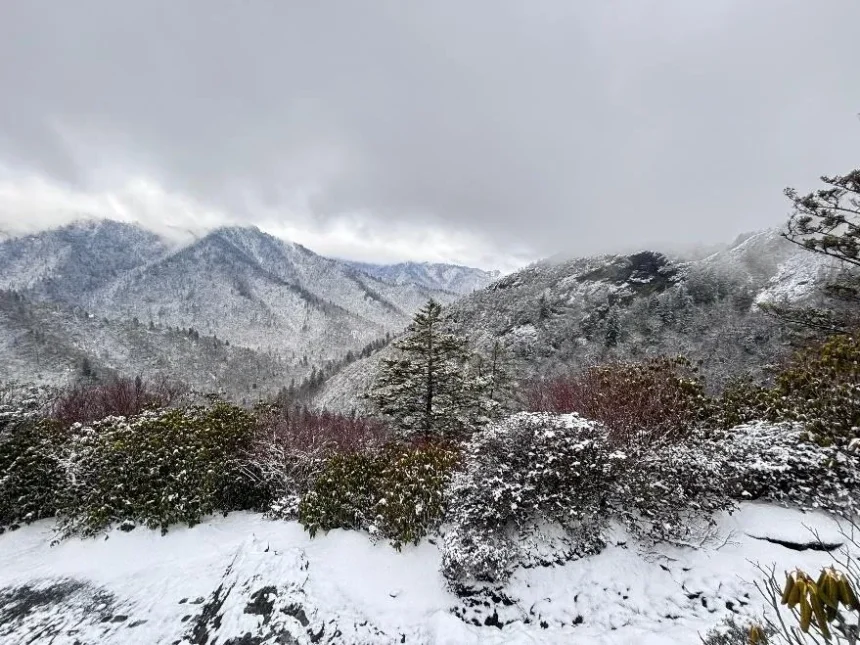
Scrolling through a short clip of mist rolling over the ridges of the Great Smoky Mountains can do something strange to a person. One moment you are sitting on the couch, half paying attention, and the next you are picturing yourself standing at an overlook with cool air on your face. That quiet pull is how modern travel begins for so many people now. Online content has quietly become the spark that turns an ordinary evening into the first page of a trip to the Smokies.
The way people discover places has shifted in a big way. Instead of flipping through glossy magazines or waiting for a friend to return from a trip with stories, travelers now stumble across destinations between cooking videos and random memes. A sunrise clip here, a cozy cabin tour there, and suddenly the idea of packing a bag feels less like a dream and more like a plan. The screen has become the new window, and what shows up on it often decides where the suitcase goes next.
Live Views That Pull You In
Not everyone can hop into a car and drive straight into the mountains whenever the mood strikes. Work, family, and everyday routines have a way of keeping people rooted in place, even when their hearts are somewhere else. Thankfully, there are ways to still experience the incredible views of the Smoky Mountains without visiting the actual place. GSMNP webcams offer a gentle way to feel connected to the region, with live feeds set up at Newfound Gap, Look Rock, Ober Mountain, and the Gatlinburg Space Needle.
These live streams have a quiet magic to them. You can watch the fog settle into the valleys at dawn, catch a glimpse of changing light across the peaks in the afternoon, or see the glow of a small mountain town after sunset. For many viewers, this is how the seed gets planted. They tune in for a minute, stay for twenty, and before long, they are looking at a calendar and wondering when they can finally make the trip in person.
The Quiet Power of a Single Video
A single well-made video can carry more weight than a hundred travel brochures. When someone films themselves walking a quiet trail, sitting by a creek, or sipping coffee on a porch surrounded by forest, the experience feels honest. There is no hard sell, no polished voice telling you what to think. You simply see a person enjoying a place, and something inside you starts to wonder if you could feel that way too.
This is why short travel clips have become such a powerful force. They do not demand anything from the viewer. They just offer a glimpse, and the viewer does the rest of the work in their imagination. By the time the video ends, a person may already be searching for cabins, mapping routes, and thinking about which friends might want to come along.
Stories That Turn Into Plans
Written travel content still holds its ground in this visual age. Blog posts, personal essays, and detailed trip recaps give readers something that videos sometimes cannot, which is context. A good story explains why a hike was worth the early wake-up call, what a small diner in a mountain town felt like at breakfast, or how it felt to stand in front of a waterfall after a long walk. These details stick with readers long after they close the tab.
When someone reads a heartfelt account of a trip, they often start building their own version in their head. They picture themselves on that same trail, ordering at that same diner, standing in front of that same waterfall. The more vivid the story, the more real the future trip starts to feel. Eventually, the line between reading about a place and planning to visit it becomes very thin.
Social Media as a Modern Travel Guide
Platforms built for sharing have quietly replaced the old-fashioned travel guide for a lot of people. Instead of consulting a thick book before a trip, travelers now scroll through hashtags, saved posts, and curated collections. They bookmark overlooks they want to see, cafes they want to try, and trails they want to walk. By the time they actually arrive, they often feel like they already know the place a little.
This new style of planning has its own rhythm. People gather ideas slowly over weeks or months, adding bits and pieces as they come across them. A photo of a misty morning might join a clip of a scenic drive, which joins a story about a quiet cabin tucked into the trees. All of these small moments stack up until the trip feels inevitable.
From Inspiration to Action
There is usually a tipping point where online content stops being entertainment and becomes motivation. Maybe it is the tenth video of autumn leaves blanketing the hills. Maybe it is a live stream showing fresh snow on a high peak. Whatever the trigger, something clicks, and the viewer finally decides to stop watching and start booking. That shift from scrolling to packing is where the real journey begins.
Once the decision is made, the same online content that inspired the trip often helps shape it. Travelers revisit the videos and posts that caught their eye, using them as a loose map for their days. They chase the same views, try the same walks, and look for the same quiet moments. The trip becomes a kind of personal tribute to everything that pulled them in from the screen.The beautiful thing about this whole process is how natural it feels. No one sets out to be inspired by a random clip on a quiet evening, yet it happens all the time. A few seconds of footage can stir something that weeks of research never could. And when the suitcase finally comes down from the closet, it carries not just clothes and gear, but all the small moments that made someone believe the Smoky Mountains were worth seeing for themselves.