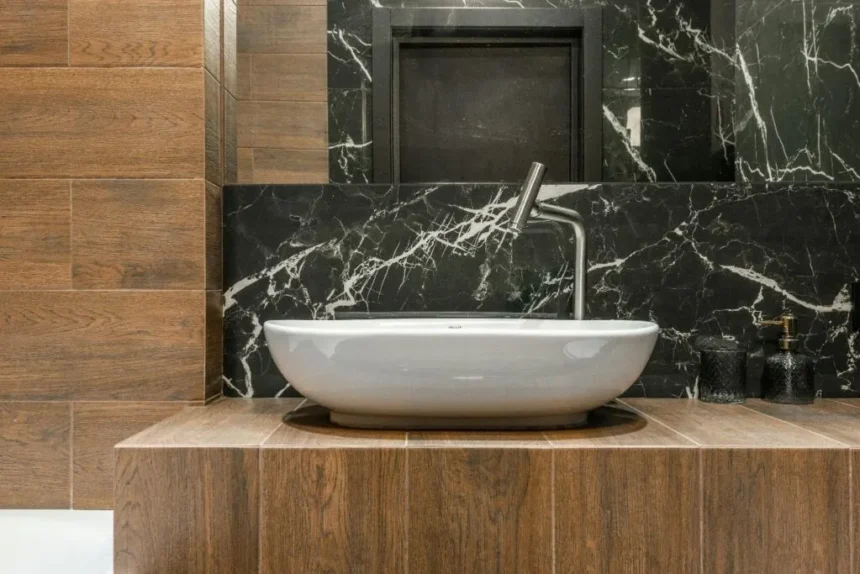
You notice the cracked tile near the sink, the grout that never quite looks clean, the faucet that squeaks a little too loudly early in the morning. It is not one big problem, just a stack of small ones that keep showing up every day.
In places like Buffalo, where many homes carry years of wear without much change, bathrooms tend to hold onto their age more than any other room. Older layouts, dated fixtures, and materials that have simply done their time can make even a well-kept home feel tired. That slow decline affects how people move through their day, often in ways they do not notice until they step into a newer space somewhere else and realize what has been missing.
Start with What Actually Bothers You
Most people begin with inspirational photos, but that is not usually where real progress happens. It does not start with design problems, but daily-use problems. When those issues are thought through clearly, patterns show up. Storage tends to be lacking. Lighting often feels uneven. And sometimes the layout itself is just wrong for how the space is used now. Fixing those things does not always mean tearing everything out. Sometimes it means shifting one or two key elements so the room works again.
Looking at Renovation Trends
Older homes tend to share similar problems, even if the finishes look different. Plumbing lines may sit in places that limit layout changes. Ventilation is often weak or outdated, which leads to moisture issues over time. Floors may have been patched more than once, creating uneven surfaces that are hard to fix without going deeper. The best bathroom remodels in Buffalo are those that address both the functional and aesthetic needs.
Across many regions, there has been a quiet shift toward practical upgrades rather than full luxury rebuilds. Homeowners are choosing materials that last longer and require less attention, even if they do not look flashy at first glance. There is also more attention on accessibility, though it is not always labeled that way. Wider spaces, easier entry into showers, and simpler controls are being added without making the room feel clinical. The approach is less about chasing trends and more about correcting long-standing inefficiencies that have been ignored for years.
Layout Changes That Actually Matter
A lot of renovations fail quietly because the layout stays the same when it should not. It is easier, of course. Moving plumbing costs more. Adjusting walls takes time. But if the sink is cramped into a corner or the toilet blocks movement, those problems do not disappear with new tiles.
Even small layout changes can shift how a room feels. Moving a vanity a few inches can open up walking space. Replacing a bulky tub with a walk-in shower can change how the entire room is used. These are not dramatic changes on paper, but they tend to have the biggest impact once the work is done. There is also a tendency to underestimate how much space is actually needed. The bathroom has become more than a quick stop. It is part of how people start and end their day, and the layout should reflect that.
Materials That Hold Up Over Time
It is easy to get pulled toward finishes that look good in photos but behave poorly over time. Glossy surfaces that show every water spot. Textured tiles that trap dirt in ways that are hard to clean. Cheap fixtures that loosen within a year.
Better materials do not always stand out right away. They tend to feel solid rather than flashy. Porcelain tiles instead of softer ceramic. Fixtures with simple finishes that hide wear instead of highlighting it. Grout that resists staining rather than absorbing it.
There is also a quiet shift toward fewer seams and joints. Larger tiles, integrated sinks, and continuous surfaces reduce the number of places where problems can start. It is not about minimalism for style. It is about reducing maintenance without making it obvious.
Lighting Is Often the Missing Piece
Lighting is usually treated as an afterthought, which explains why so many bathrooms feel dim or uneven. Lighting can transform the feel of the entire space. A single overhead fixture cannot handle every need, yet it is still the default in many older setups.
Layered lighting changes things more than most people expect. A softer general light for the room. Focused lighting around the mirror that does not cast shadows. Maybe even a low-level light for nighttime use. These layers do not need to be complex, but they need to be planned. Natural light, when available, is often underused. Frosted windows or poorly placed coverings block more light than necessary. Adjusting how that light enters the room can improve the space without adding new fixtures at all.
Storage That Feels Invisible
Storage problems tend to show up slowly. At first, it is just one extra bottle on the counter. Then a few more items appear, and suddenly the space feels cluttered all the time. Good storage does not draw attention to itself. It sits where it is needed and stays out of the way when it is not. Drawers that fully extend. Shelves built into walls rather than added on top of them. Cabinets that fit the space instead of forcing the space to fit them.
There is also a shift toward keeping fewer things in the bathroom overall. That might sound unrelated, but it changes how storage is designed. Instead of planning for everything, the focus shifts to what is actually used daily.
Ventilation and Moisture Control
This part is rarely discussed until there is a problem. Paint starts to peel. Mold appears in corners. Mirrors stay fogged longer than they should. These are signs that the air is not moving the way it needs to. Updating ventilation is not always visible work, but it changes how the room ages. A proper exhaust system removes moisture before it settles into surfaces. Over time, this protects materials and reduces the need for repairs. It also makes the space more comfortable. The room dries faster. The air feels cleaner. These are small shifts, but they add up over months and years.
There is a point where adding more features stops adding value. The best renovations tend to feel simple once they are finished. It is easy to overbuild a bathroom. It is harder to refine it down to what actually works. That is where most of the effort should go, even if it does not look impressive in photos.