There’s a stage in any renovation where a house feels temporarily honest. Cabinets removed, tiles pulled up, wiring exposed just enough to see how things were put together and sometimes, how they weren’t. What remains is less about appearance and more about structure. The gaps become visible. The shortcuts. The parts that were adjusted over time instead of properly resolved.
In larger properties, especially, certain patterns settle in without much notice. Rooms get used in ways they weren’t meant to. Corners are avoided. Light falls unevenly across spaces that once seemed well-planned. Nothing is entirely wrong, but something doesn’t quite sit right either. That’s usually where premium remodeling begins—not from a desire to impress, but from a gradual awareness that the space could be working differently.
Bathroom Upgrades Requires Precision, Not Guesswork
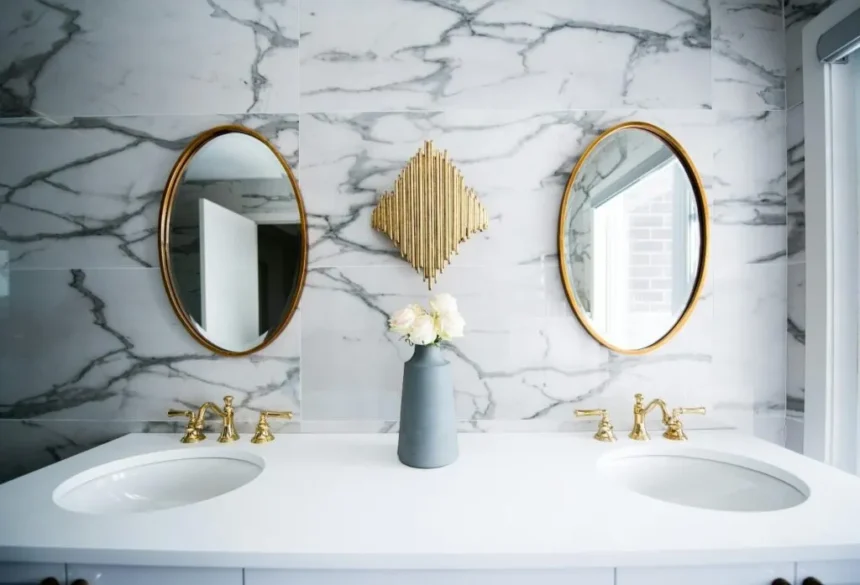
Bathrooms tend to bring that awareness forward more quickly than other rooms. They’re used every day, often without much thought, until the details begin to interfere. A mirror that never catches the right light. Storage that feels just slightly insufficient. Surfaces that don’t hold up the way they should. These aren’t dramatic problems, but they repeat often enough to matter.
Addressing them properly requires more than surface-level updates. There’s a technical side to bathrooms that isn’t always visible—how water moves, how ventilation works, how materials respond over time. This is where professional expertise becomes essential, not as an added feature but as a baseline. Without it, small issues tend to return, sometimes in more complicated ways. Many homeowners consider bathroom remodeling when they want to improve both the functionality and overall look of their space. The shift, when done carefully, doesn’t feel abrupt. You’ll notice:
- Fixtures are placed where they make more sense.
- Storage blends into the design instead of competing with it.
- Lighting softens the room without dimming it.
Over time, the space becomes easier to use. Mornings feel less rushed. Even small routines—washing up, getting ready—seem to take less effort. It’s not something that stands out immediately, but it stays.
Living Areas That Are Actually Used, Not Just Arranged
From there, attention often moves outward. Living areas, for instance, carry a different kind of imbalance. They’re usually designed to be seen, arranged in ways that suggest comfort more than they actually provide it. Over time, people adjust—sitting in the same spots, avoiding others, rearranging without quite solving the issue.
Premium remodeling in these spaces doesn’t push for more decoration. It tends to simplify. Layouts become less rigid. Seating feels more natural, less staged. Light is allowed to shift throughout the day rather than remain fixed. The result isn’t dramatic, but it changes how the room is used. People stay longer. Conversations settle more easily. The space feels less like it’s being maintained and more like it’s being lived in.
Kitchen Layouts That Follow Daily Movement
Kitchens reveal their limits in quieter ways. Not all at once, but through repetition. Reaching for the same items in awkward places. Running out of counter space at the wrong moment. Moving around someone else with just a bit too little room. These are small interruptions, but they accumulate.
A higher-end kitchen remodel often focuses on these patterns rather than appearances alone. Work surfaces are placed with intention. Storage anticipates what’s needed instead of reacting to it. Appliances are integrated in ways that don’t interrupt movement. The changes aren’t always obvious to someone walking through the space, but they become clear to anyone using it regularly. Tasks flow better. There’s less backtracking, less adjustment.
Bedrooms That Quietly Support Rest
Bedrooms, by contrast, tend to hold subtler issues. They’re not as visibly functional as kitchens or bathrooms, but they affect daily life in quieter ways. Light that enters too early or not at all. Sounds that carry from other parts of the house. Materials that don’t quite support rest, even if they look the part.
Remodeling here often involves restraint. Better insulation. More thoughtful placement of windows. Finishes that soften the environment rather than reflect it. It’s less about redesigning the room and more about easing it into something more comfortable.
Transitional Spaces That Shape Movement
Then there are the spaces in between. Hallways, entryways, staircases. They’re easy to overlook, often treated as purely functional. But they shape movement through the home in ways that aren’t immediately obvious. A narrow passage can feel longer than it is. Poor lighting can make a transition feel abrupt.
When these areas are considered as part of a broader remodeling approach, small changes begin to shift the experience. A wider opening. A window was placed where there wasn’t one before. Materials that change underfoot just enough to signal movement. These details don’t draw attention to themselves, but they alter how the home feels as a whole.
Outdoor Areas That Connect Rather Than Sit Apart
Outdoor areas, too, begin to play a role in this process. Not as separate spaces, but as extensions of the home’s interior rhythm. A patio that’s rarely used. A garden that’s visible but not accessible. These aren’t necessarily design failures, just missed connections.
Premium remodelling often aligns these areas with the rest of the home. Openings are adjusted. Sightlines are extended. Materials carry through from inside to outside in subtle ways. The result isn’t a dramatic transformation, but a quieter continuity. Spaces feel connected, even when they serve different purposes.
Over time, these changes accumulate. Not in an immediately noticeable way, but in how daily routines begin to shift. Doors open more easily. Light arrives where it’s needed. Movement through the home feels less interrupted.
Elevating an estate, then, isn’t about making everything new. It’s about noticing what has been slightly off for a long time and addressing it with care. Not all at once, and not always in obvious ways. Just enough to change how the space responds. The effect isn’t something that demands attention. It settles in gradually. A room that feels quieter. A routine that feels smoother. Small adjustments that no longer need to be made.