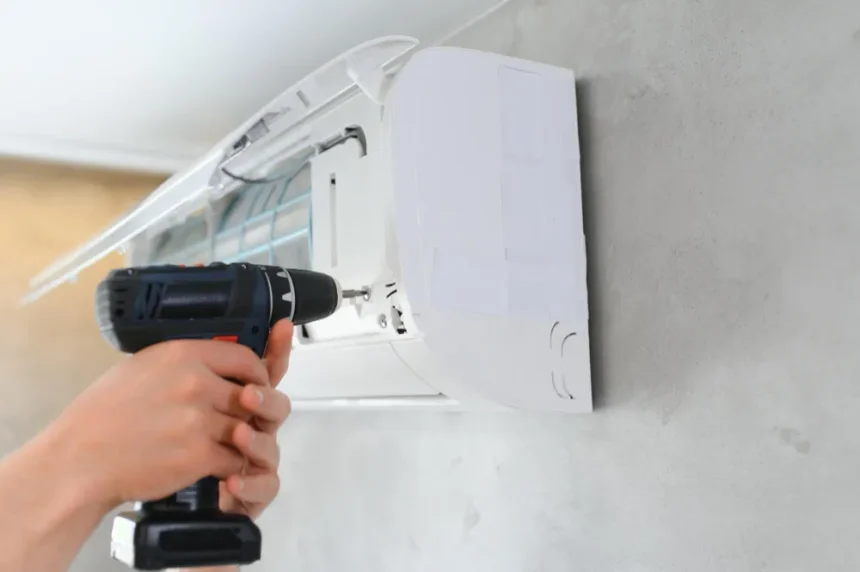
Air conditioning installation involves various technical factors and functioning parts, including air handlers, condensers, ducts, and thermostats. Performance issues may result from a mismatch between system capacity and the building’s cooling needs or from airflow problems with the ducts. Here are several factors to evaluate when planning for an air conditioning installation:
Cooling Capacity and Load Sizing
During air conditioning installation, technicians analyze the entire system, including the ductwork, and they determine how new equipment interacts with existing components. An energy analysis can measure air handler performance, condenser operation, and airflow distribution throughout the property. This evaluation identifies inefficiencies and compatibility issues that affect system performance.
Based on these findings, technicians recommend the appropriate system. Central air conditioning is ideal for large, interconnected areas where constant air circulation provides uniform cooling. Mini-split systems are designed for individual rooms or enclosed spaces, and they require an outdoor unit connected to one or more indoor units via refrigerant lines. This setup allows flexible installation tailored to specific zones.
Technicians match system capacity to the observed performance of existing components. They inspect air handlers and condensers to confirm that the new equipment integrates effectively. Energy analysis guides capacity decisions by showing how airflow, system components, and energy performance interact. The crew plans installation with component layout in mind; the positioning of air handlers, duct routing, and condenser placement affects how efficiently the system delivers cooled air.
Equipment Placement Design
Air conditioning systems include outdoor condensing units and indoor components, such as air handlers or multiple indoor units in mini-split configurations. Technicians carefully select locations for each component to maximize efficiency, airflow, and accessibility for maintenance. Outdoor units are positioned to allow proper ventilation and reduce heat recirculation, and indoor units are placed to distribute cooled air evenly throughout the space.
Ductwork and Airflow
Technicians may include the duct system in the energy analysis to evaluate the performance of the entire HVAC setup. They inspect ductwork to identify issues that affect airflow, such as leaks or contamination. This evaluation examines how ducts interact with air handlers and other components to move conditioned air throughout the property.
Air handlers connect directly to duct networks, and they form the pathway for air movement. Technicians verify that ductwork aligns with these components to support proper operation and system integration. Cleaning and repairing air ducts removes debris, fixes leaks, and maintains structural integrity. These services prepare the system for efficient operation by enabling ducts and air handlers to work effectively with existing or newly installed equipment.
System Compatibility
Technicians inspect existing HVAC components, including condensers, air handlers, blower units, and thermostats, to assess their condition and determine any maintenance or replacement needs. Before installing a new air conditioning system, they evaluate how each component will work with the new equipment to promote proper integration. This assessment guides whether a single component, such as a condenser or blower unit, or the entire system should be replaced. Following the modular design of HVAC systems, technicians can replace one part or the whole system, depending on the condition and compatibility of existing equipment.
The technicians also monitor energy use across the system to identify inefficiencies or issues that have the potential to affect performance. Based on their findings, they may repair or replace parts such as leaky ducts, damaged coils, or outdated thermostats; this makes sure the new system operates efficiently. Addressing these compatibility issues helps maintain reliable system operation, improve overall energy efficiency, and extend the lifespan of both new and existing components.
Electrical System Setup
As part of the installation, technicians inspect all electrical components of the HVAC system, including thermostats, wiring, and control circuits. They check each component for proper function, and they perform any necessary maintenance or repairs to prevent malfunctions. Thermostats are tested and calibrated to make sure they accurately control temperature and work seamlessly with the system. All work follows established safety standards and local codes. It aims to maintain reliable operation, prevent electrical hazards, and optimize the system’s energy efficiency.
Hire an Air Conditioning Installation Company
Professional air conditioning installation enables all the components of the system to work efficiently and reliably under real-world conditions. Technicians inspect units, verify air flow, and adjust equipment to optimize performance. These services can enhance cooling consistency and system reliability, and they promote long-term operational efficiency. Hire a certified HVAC company for professional air conditioning installation today.