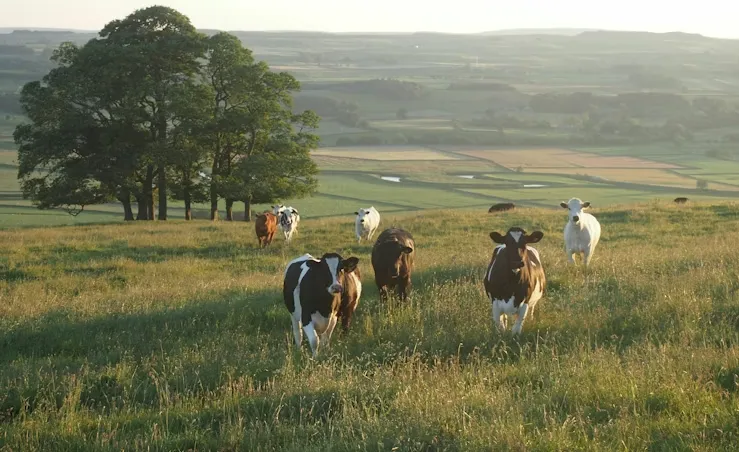
Many travellers land in the UK and head straight to London, missing the quieter places that shaped everyday British life for generations. The countryside holds that missing piece. Villages, small towns, and rural landscapes often carry the history that families pass down but rarely revisit. If you were born abroad and grew up hearing about a grandparent’s village or a family home somewhere in England or Scotland, a fast-paced trip will not give you the answers you are looking for. You need time and space to notice details.
This guide focuses on how to travel slowly through the British countryside so you can connect those stories to real places.
Mapping your family story before you travel
Start by gathering details that link your family to specific places. Ask relatives for town names, nearby cities, or even small clues like a church, a factory, or a street. Many families from Yorkshire, Lancashire, or the West Midlands still recognise village names that appear in older documents. Old letters, birth certificates, and passports can help you narrow things down further.
Once you have a shortlist, check maps and local council websites. For example, if your family mentioned Bradford, you might also want to look at surrounding areas like Shipley or Bingley. If Scotland comes up, check historic counties as well as modern council areas, since names have changed over time. This step helps you avoid travelling to the wrong place or missing nearby locations that matter.
As you build this picture, your trip often becomes more than just a visit. Many travellers realise their connection to the UK is stronger than expected, especially when multiple generations trace back to the same region. That is usually the point where people begin exploring practical questions like how to get British citizenship by descent, particularly if their parents or grandparents were born there.
When you know where to go, you can plan your journey around real places instead of vague ideas. That shift makes your trip more focused, more personal, and far more useful than a general sightseeing itinerary.
Focusing on villages where everyday life still feels familiar
Large attractions rarely tell you how people actually lived. If your goal is to understand your family background, spend time in places like Bakewell in the Peak District, Richmond in North Yorkshire, or Ludlow in Shropshire. These towns still revolve around local shops, weekly markets, and community routines.
Walk through residential streets, not just the centre. Look at noticeboards outside village halls, check local bakeries, and visit small grocers that have been there for decades. In places like Haworth, you will still see surnames repeated on shop signs and gravestones.
Pay attention to how buildings are used. A former mill in Lancashire might now be flats, but its presence explains the kind of work your relatives may have done. These details help you connect stories to real environments.
Slowing down on footpaths that locals still use
Driving helps you cover distance, but walking shows you how places connect. In areas like the Yorkshire Dales or the Cotswolds, public footpaths run through farmland, old stone walls, and between villages that are only a few miles apart. These are not tourist trails; they are part of everyday routes people have used for generations.
For example, walking between Grassington and Kettlewell or through villages like Bibury and Bourton-on-the-Water gives you a clear sense of scale. You begin to understand how far people travelled for church, school, or work.
You will also come across small details, a parish church tucked away, an old post box, a family name on a memorial, that you would miss in a car. Plan shorter walks and allow time to stop when something feels relevant.
Visiting local archives that actually hold your history
If you are serious about tracing family roots, you need to visit the right archives. In England, county record offices like the West Yorkshire Archive Service (Leeds/Bradford) or the Lancashire Archives in Preston hold parish registers, census records, and local documents that are not always online. In Scotland, the National Records of Scotland in Edinburgh can help if your family comes from places like the Borders or Glasgow.
Smaller towns also have local libraries. For example, the York Explore Library has detailed parish and trade records. Staff usually know how records are organised and can guide you quickly if you have names and rough dates. Plan ahead and check opening days, as many archives close early or require appointments.
Talking to locals who understand the area’s past
Some of the most useful information comes from people who have lived in the area for years. In smaller places like Keswick in the Lake District or Whitby in North Yorkshire, local shop owners and pub staff often know family names, old buildings, and how the town has changed.
If your surname is tied to the area, mention it. In places like Cornwall or rural Wales, surnames can still be linked to specific families or farms. You may get directions to a street, a church, or even someone who remembers relatives.
Keep your approach simple and respectful. Avoid asking too many questions at once. A short, genuine conversation often leads to better information than formal research alone.
Keeping a clear record of what you discover
It is easy to forget useful details once your trip ends, so keep a simple record as you go. Write down place names, addresses, and any links you uncover between locations and your family. Take clear photos of documents, church registers, and gravestones, making sure names and dates are readable. Keep notes of conversations, including who you spoke to and what they suggested. This information can help you continue your research after you return home. It also gives you something accurate to share with relatives. Treat your notes as a working record rather than a souvenir. The more organised they are, the more valuable they become later.
The British countryside offers a practical way to explore family ties without rushing through places that matter. Taking time to focus on one region, walking through villages, and using local resources helps you build a clearer picture of your background. You begin to connect names, locations, and stories in a way that feels grounded. This kind of travel requires patience, but it gives you more useful results than a fast-paced trip. If you approach it with a clear plan and stay open to what you find, you leave with more than memories. You gain information, context, and a stronger understanding of your connection to the UK.