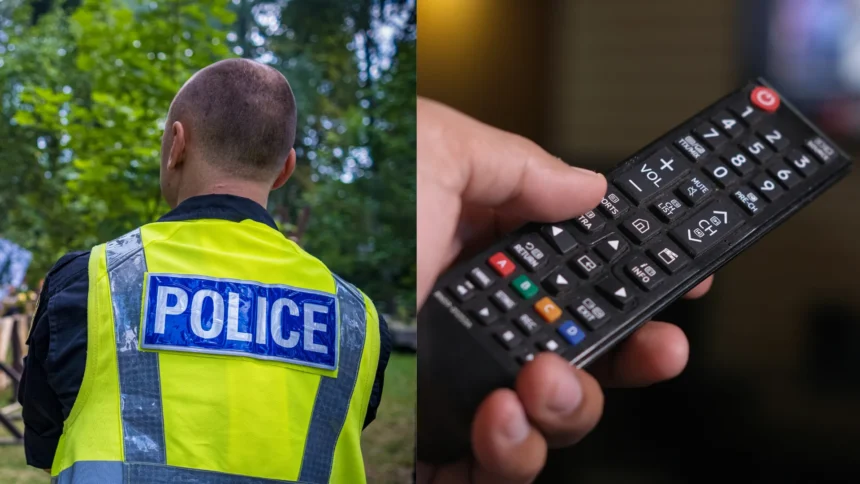
This has led to what many are now calling the Dodgy Firesticks Crackdown, a coordinated effort by authorities, broadcasters and anti-piracy units to tackle illegal streaming operations. The crackdown is targeting sellers, distributors and large-scale IPTV providers, sending a clear message that digital piracy is no longer being ignored.
What Are Dodgy Firesticks?
At its core, a Firestick is a legal streaming device. Products such as the Amazon Fire TV Stick are designed to allow users to download approved apps and stream content from legitimate services. The device itself is not illegal, nor is modifying certain settings within it.
The issue arises when these devices are pre-configured with third-party applications that provide access to copyrighted content without proper licensing. These modified or “jailbroken” devices are often marketed as offering unlimited sports channels, new cinema releases and pay-per-view events for a one-time fee.
The sellers behind these devices frequently advertise them as a way to avoid monthly subscription costs. They promote claims of “lifetime access” to premium content. However, the reality is that accessing copyrighted material without permission breaches intellectual property laws.
This distinction between a legal device and illegal usage is central to the Dodgy Firesticks Crackdown.
Why Authorities Are Taking Action Now
The timing of the crackdown is not accidental. The streaming economy has become a multi-billion-pound industry, with broadcasters investing heavily in sports rights, film production and exclusive content.
Organisations such as the Premier League have signed broadcasting agreements worth billions. Broadcasters including Sky Group and streaming giants like Netflix depend on subscription revenue to fund operations and original programming.
When illegal IPTV services redistribute that content without paying licensing fees, it directly affects revenue streams. Industry groups argue that piracy reduces investment in new productions and undermines the value of broadcasting rights.
There is also a broader criminal dimension. Investigations have shown that some IPTV networks are highly organised operations generating significant profits. In certain cases, these networks have been linked to financial crimes beyond copyright infringement.
Government agencies have responded by strengthening enforcement. In the United Kingdom, the Police Intellectual Property Crime Unit has played a leading role in investigating and prosecuting individuals involved in selling illegal streaming services.
The Dodgy Firesticks Crackdown reflects a shift from passive monitoring to active disruption.
Who Is Being Targeted in the Crackdown?
The primary focus of enforcement efforts is not casual viewers but the supply chain behind illegal streaming.
Sellers who advertise pre-loaded devices are among the first targets. These individuals often operate through social media marketplaces, messaging platforms or small online shops. By selling modified devices configured to access illegal IPTV services, they expose themselves to prosecution.
IPTV providers are also under intense scrutiny. These operators manage servers that redistribute live sports, films and television channels without authorisation. Law enforcement agencies work with financial institutions to trace payment flows and identify the individuals behind subscription services.
Server seizures have become a common tactic. When authorities locate and confiscate servers, thousands of subscriptions can disappear instantly. This not only disrupts illegal operations but also acts as a deterrent to others considering entering the market.
While individual users are not typically the main focus, they are not entirely immune. In some cases, internet service providers have issued warning notices to customers suspected of accessing illegal streams. Although prosecutions of individual viewers remain relatively rare, the Dodgy Firesticks Crackdown signals that the legal risks should not be dismissed.
Legal Consequences for Sellers and Providers
For those involved in distributing modified devices or IPTV subscriptions, the consequences can be severe.
Courts have imposed substantial fines on individuals found guilty of facilitating copyright infringement. In more serious cases, prison sentences have been handed down, particularly where large-scale profits were involved.
Authorities also have the power to seize assets believed to be the proceeds of crime. This can include bank accounts, cash, vehicles and technical equipment used to run illegal streaming networks.
In addition to criminal penalties, individuals may face long-term reputational damage and financial hardship. Once convicted, rebuilding trust and securing legitimate employment can be challenging.
The message from the Dodgy Firesticks Crackdown is clear: selling illegal streaming services is not a harmless side business. It carries real legal consequences.
Also Read – Muchata News
Risks Faced by Consumers
While sellers face the most direct legal threats, consumers using illegal streaming services encounter their own set of risks.
One of the most significant concerns is cybersecurity. Many third-party IPTV applications are not vetted or regulated. Some contain hidden malware capable of harvesting personal data. This could include login credentials, email addresses or even banking information.
Because these services operate outside legal frameworks, there is no consumer protection if something goes wrong. If a user’s card details are stolen or their subscription disappears overnight, there is little recourse.
Service reliability is another issue. Illegal streams are often unstable, with frequent buffering and sudden outages. When enforcement agencies seize servers, subscribers can lose access without warning.
The Dodgy Firesticks Crackdown has resulted in numerous sudden shutdowns, leaving users frustrated and out of pocket.
How Authorities Track Illegal Streaming Networks
The enforcement process behind the crackdown is methodical and data-driven.
Investigators often conduct undercover purchases of modified devices to gather evidence. By subscribing to illegal IPTV services, they can trace server locations and identify operators.
Financial tracking is another key strategy. Payment records, cryptocurrency wallets and digital transaction histories can reveal the individuals managing subscription networks.
Broadcasters also deploy advanced technology to identify illegal streams in real time. Watermarking systems allow rights holders to trace the source of unauthorised broadcasts. This information can then be passed to law enforcement agencies for further action.
The coordinated nature of these efforts has made the Dodgy Firesticks Crackdown more effective than previous anti-piracy campaigns.
The Consumer Cost Debate
One argument frequently raised in discussions about illegal streaming is cost. Subscription prices have risen steadily in recent years. Live sports are often divided across multiple platforms, requiring viewers to subscribe to several services to access all desired content.
For some consumers, illegal IPTV appears to offer a cheaper alternative.
However, industry leaders argue that piracy ultimately leads to higher costs for everyone. Lost revenue may reduce investment in new content and drive up subscription fees for legitimate customers.
The Dodgy Firesticks Crackdown sits at the centre of this debate. It raises questions about affordability, access and the sustainability of the current streaming model.
Staying Safe and Legal
For consumers who want to avoid the risks associated with illegal streaming, the safest approach is to use legitimate services. Recognised platforms operate within regulatory frameworks and provide customer support, secure payment systems and reliable streaming quality.
Purchasing streaming devices directly from reputable retailers is also important. Devices marketed as “fully loaded” with premium channels should raise immediate red flags.
Keeping software updated and avoiding suspicious third-party apps reduces cybersecurity risks.
Ultimately, while the appeal of free content is understandable, the potential legal and financial consequences make illegal streaming a high-risk choice.
The Future of the Dodgy Firesticks Crackdown
The enforcement landscape is likely to become even more sophisticated. Collaboration between broadcasters, technology companies and law enforcement agencies continues to strengthen.
As detection systems improve, illegal IPTV networks may find it increasingly difficult to operate for extended periods. Rapid server shutdowns and financial investigations will likely remain central tactics.
At the same time, the streaming industry may need to address consumer concerns about cost and fragmentation. Offering flexible packages or bundled subscriptions could help reduce the demand for illegal alternatives.
The Dodgy Firesticks Crackdown is not a temporary initiative. It represents a long-term shift in how digital piracy is addressed.
Conclusion
The rise of modified streaming devices has created a complex legal and ethical issue within the entertainment industry. While the devices themselves are legal, their use for accessing unauthorised content is not.
The Dodgy Firesticks Crackdown demonstrates that authorities are taking digital piracy seriously. Sellers and IPTV operators face significant legal consequences, including fines, asset seizures and imprisonment. Consumers, although less frequently targeted, risk malware, data theft and sudden service shutdowns.
As streaming continues to dominate home entertainment, the tension between affordability and copyright protection will remain. However, the direction of travel is clear. Enforcement efforts are intensifying, and illegal streaming networks are under growing pressure.
FAQs
Authorities are targeting illegal IPTV networks because they distribute copyrighted content without permission. Broadcasters and rights holders are pushing for stronger enforcement to protect revenue from sports, films and subscription services.
The main targets are sellers of pre-loaded devices and operators of illegal IPTV services. Large-scale distributors and organised networks are the primary focus rather than casual viewers.
Those found guilty of selling modified devices or illegal subscriptions can face heavy fines, confiscation of assets and, in serious cases, prison sentences.
Buying a device itself is not illegal, but using it to stream copyrighted content without authorisation can break the law. The legal risk increases if someone knowingly subscribes to illegal IPTV services.
When authorities seize servers during the Dodgy Firesticks Crackdown, services can disappear instantly. Users typically lose access without refunds and may also risk exposing personal or payment information.