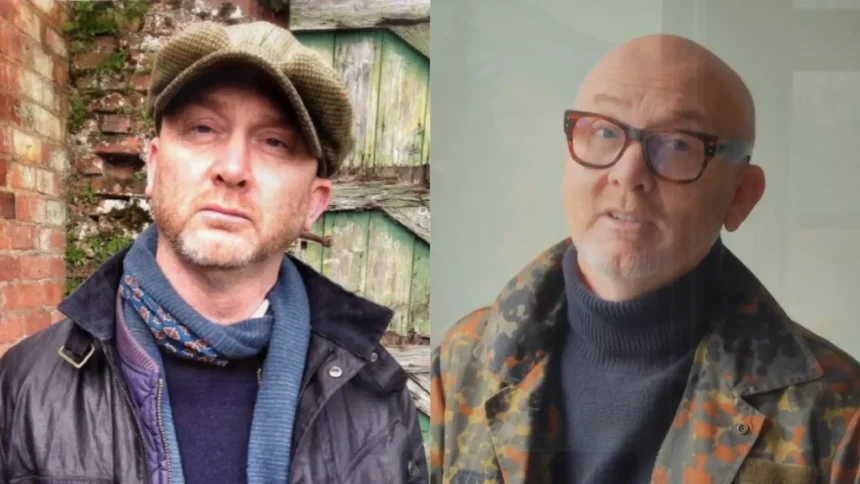
Drew Pritchard is one of the most influential figures in the modern antiques world. Best known as the host of Salvage Hunters, he has built a reputation for sourcing, restoring, and selling architectural antiques that blend seamlessly with contemporary interiors. Through his work, Drew has challenged the notion that antiques are outdated, demonstrating instead that well-crafted historical pieces offer superior craftsmanship, character, and sustainability compared to mass-produced furniture.
From crumbling French châteaux to forgotten British factories, Drew’s work revolves around rescuing pieces of the past and giving them a meaningful future. His journey, from a young enthusiast in Wales to one of the most recognisable faces in the antiques world, is as compelling as the treasures he uncovers.
Drew Pritchard – Personal & Professional Information
| Category | Details |
| Full Name | Drew Pritchard |
| Date of Birth | 24 June 1970 |
| Age | 55 years old (as of 2025) |
| Birthplace | Wales, United Kingdom |
| Nationality | British |
| Profession | Antiques Dealer, Architectural Salvage Expert, Television Personality |
| Known For | Host of Salvage Hunters |
| Years Active | 1990s – present |
| Business Name | Drew Pritchard Antiques |
| Business Location | Conwy, North Wales |
| Specialisation | Architectural salvage, industrial antiques, statement furniture, lighting |
| Television Debut | Salvage Hunters (2011) |
| Marital Status | Divorced |
| Ex-Wife | Rebecca Pritchard |
| Children | Not publicly disclosed |
| Current Partner | Not publicly confirmed |
| Education | Not formally documented; trade learned through hands-on experience |
| Design Style | Industrial, architectural, utilitarian, timeless |
| Notable Traits | Strong negotiating skills, sharp eye for value, direct personality |
| Online Presence | Antiques business website and media appearances |
| Sustainability Focus | Strong advocate of reuse, restoration, and recycling |
Early Life and Background
Drew Pritchard was born and raised in Wales, a region rich in industrial history, traditional craftsmanship, and architectural heritage. Growing up surrounded by old buildings, workshops, and remnants of earlier eras helped shape his appreciation for materials, form, and function. Unlike many antique dealers who come from academic or auction-house backgrounds, Drew’s education was largely hands-on.
From an early age, he showed an interest in how things were made. He was fascinated by ironwork, wood joinery, and the practical beauty of everyday historical objects. This curiosity naturally evolved into a passion for salvage, recovering items that others overlooked and recognising their inherent value long before “reuse” became a design buzzword.
This early exposure instilled in Drew a respect for authenticity and patina. For him, wear and imperfection were not flaws, but proof of an object’s life and purpose.
Career Beginnings
Drew’s entry into the antiques trade was far from glamorous. Like many dealers, he started small, buying, selling, learning through mistakes, and developing his eye over time. He worked in architectural salvage, sourcing items such as doors, fireplaces, tiles, and industrial fixtures, often salvaged from buildings scheduled for demolition.
These early years were defined by hard work and long hours. Drew travelled extensively, built relationships with suppliers, and learned to negotiate in environments where experience mattered more than theory. Importantly, he developed a reputation for honesty and deep product knowledge, qualities that would later set him apart.
Rather than chasing trends, Drew focused on timeless design. He gravitated toward pieces that were functional, well-made, and visually striking. This philosophy helped him build a loyal client base long before television entered the picture.
Rise to Fame: Salvage Hunters
Drew’s life changed dramatically with the launch of the television series Salvage Hunters. The show followed him as he travelled across the UK and Europe in search of architectural antiques, decorative objects, and salvage pieces, often restoring them before resale.
What made the program unique was its focus on the journey, finding items in situ, understanding their history, and revealing the transformation process. Drew’s straightforward manner, sharp eye, and unapologetic opinions resonated with viewers. He wasn’t performing a character; he was simply doing his job.
The show quickly gained popularity, bringing antique dealing to a much wider audience. It demystified the trade and showed that antiques could fit seamlessly into contemporary homes. Old factory lights, weathered tables, and industrial cabinets suddenly felt aspirational rather than outdated.
Also Read – Michelle Gumbel
Signature Style and Expertise
Drew Pritchard’s style is instantly recognisable. He favours strong, architectural pieces with clear lines and functional origins. Industrial furniture, large-scale lighting, factory clocks, and reclaimed fixtures frequently appear in his collections.
Unlike overly ornate antiques, Drew’s selections often have a raw, utilitarian quality. Materials such as cast iron, steel, oak, and glass dominate his aesthetic. This approach appeals to modern interior designers who want authenticity without excessive decoration.
His expertise lies not only in spotting beautiful objects but in understanding proportion, scale, and context. Drew often emphasises that a single statement piece can define an entire space. His ability to see potential, sometimes where others see scrap, is central to his success.
Business Ventures
At the heart of Drew’s professional life is his antiques business, based in Conwy, North Wales. The showroom reflects his personality: bold, curated, and unapologetically focused on quality. It is less about clutter and more about impact.
Beyond the physical space, Drew embraced global trade early. Through online platforms and international shipping, his pieces have found homes across Europe, North America, and beyond. Collectors, restaurateurs, and designers regularly seek him out for unique items that cannot be replicated.
Over the years, he has also collaborated with designers, worked on bespoke projects, and advised on interiors, further cementing his role as more than just a dealer, he is a tastemaker.
Personal Life (Publicly Known Aspects)
As Drew’s public profile grew, so did interest in his personal life. While he has always maintained a degree of privacy, certain aspects inevitably entered the public domain due to media attention.
Drew has spoken openly about the pressures of running a business in the public eye and balancing personal challenges alongside professional demands. Like many entrepreneurs, his career has involved periods of intense focus, travel, and risk-taking, all of which can strain personal relationships.
Despite this scrutiny, Drew remains primarily defined by his work. His passion for antiques and salvage continues to be the central narrative of his public persona.
Impact on the Antiques Industry
Few figures have influenced the antiques market as significantly as Drew Pritchard. By presenting antiques as design-led rather than purely collectible, he helped shift industry perceptions. Younger audiences, previously disengaged from traditional antiques fairs, began to see the appeal of reclaimed and historical pieces.
His emphasis on sustainability, reusing existing materials rather than manufacturing new ones, aligns closely with contemporary environmental values. Long before sustainability became a mainstream concern, Drew was advocating for reuse as both ethical and stylish.
Interior design trends also reflect his influence. Industrial and vintage-inspired interiors, once niche, are now commonplace in homes, restaurants, and hotels worldwide.
Controversies and Challenges
Like any long-standing public figure, Drew has faced challenges and controversies. Business downturns, personal difficulties, and public criticism are part of life in the spotlight. Importantly, he has navigated these moments without abandoning his core principles.
Rather than rebranding or diluting his style, Drew has remained consistent. This resilience has helped him maintain credibility in an industry that values authenticity above all else.
Drew Pritchard Today
Today, Drew Pritchard remains an active and influential presence in the antiques world. He continues to source, restore, and sell distinctive pieces, while also appearing on television and engaging with a global audience.
His taste has subtly evolved, refined by experience, but his core philosophy remains unchanged. Quality matters. History matters. And good design never goes out of style.
Fans continue to follow his journey not just for the objects he finds, but for the insight he provides into craftsmanship, value, and creative vision.
Lessons from Drew Pritchard
Drew’s career offers valuable lessons beyond antiques:
- Trust your eye: Expertise comes from experience and intuition.
- Value authenticity: Trends fade, but honesty endures.
- Embrace risk: Growth often requires stepping outside comfort zones.
- Respect craftsmanship: Quality is always worth preserving.
For aspiring dealers, designers, or entrepreneurs, his story demonstrates that passion combined with persistence can build a lasting career, even in a traditional industry.
Conclusion
Drew Pritchard has done more than sell antiques; he has changed how people see them. By blending history with modern design sensibilities, he has proven that the past still has a vital role in contemporary life.
His journey from Welsh salvage yards to international recognition is a testament to the power of vision, hard work, and unwavering belief in quality. As long as there are forgotten objects waiting to be rediscovered, Drew Pritchard’s influence on the antiques world will continue to endure.
FAQs
Drew Pritchard is a British antiques dealer and architectural salvage expert best known as the host of the television series Salvage Hunters. He is recognised for his industrial, design-led approach to antiques and for making reclaimed pieces popular in modern interiors.
Drew Pritchard was born on 24 June 1970, which makes him 55 years old as of 2025.
Drew Pritchard is divorced. He was previously married to Rebecca Pritchard, who also appeared on Salvage Hunters as his business partner. His current relationship status is not publicly confirmed.
He is famous for hosting Salvage Hunters, where he travels across the UK and Europe sourcing architectural salvage, antiques, and industrial pieces. The show helped change public perception of antiques by presenting them as stylish and sustainable.
Drew Pritchard’s antiques showroom is located in Conwy, North Wales, United Kingdom. The business also sells to international buyers through online channels.