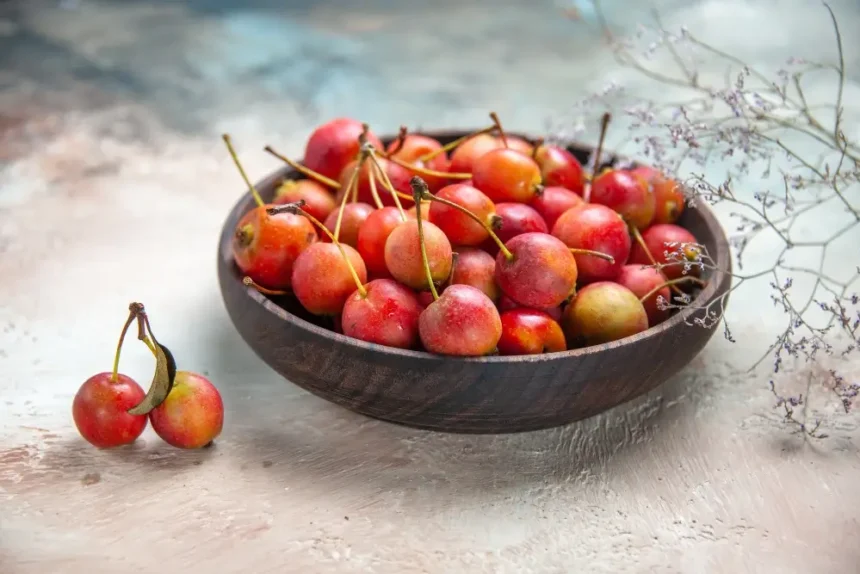
Across the Adriatic coastline, particularly in Croatia, Montenegro, and southern Italy, there exists a fruit that has quietly flourished for centuries. Known locally as Žižole, but more widely recognized as jujube or Chinese date, this small but remarkable fruit is gaining new appreciation. Its history stretches back thousands of years, yet many people today are discovering it for the first time. With increasing interest in natural wellness, sustainable agriculture, and authentic traditional foods, Žižole are emerging as one of the most relevant fruits of the present moment.
The appeal of Žižole lies in its perfect blend of tradition and modern value. They are connected to ancient cultural practices, yet perfectly aligned with modern nutritional priorities. They thrive in rough, dry environments where other fruits struggle. They are small, but nutritionally dense. They carry stories of family gardens, autumn celebrations, and coastal heritage. In every way, Žižole represent resilience, nourishment, and continuity.
What Are Žižole?
Žižole grow on the Ziziphus jujuba tree, which is known for its durability and ability to survive in conditions that challenge most fruit-bearing plants. The tree has glossy leaves and thorny branches, and its fruit passes through several stages of development, each with a distinct taste and texture. When immature, Žižole are green, firm, and taste slightly like a crisp apple. As they ripen, their skin becomes reddish-brown and the interior softens while developing a sweeter flavor. When dried, they resemble dates with a chewy, caramel-like taste.
The fruit appears in late summer and early autumn and is often enjoyed fresh during harvest season in coastal communities. Although Žižole can be eaten immediately from the tree, drying allows them to be stored and used throughout the winter, which has historically made them important for seasonal nutrition. In Dalmatian coastal towns, containers of fresh Žižole frequently appear in local markets as families prepare for the transition to cooler weather.
Ancient Origins and Cultural Significance
The story of Žižole is long and global. Their cultivation began in China over four thousand years ago. From there, the fruit traveled along ancient trade routes to reach the Middle East and eventually southern Europe. In the classical Mediterranean world, Žižole were praised for their healing qualities. Greek physicians recommended them for improved digestion and respiratory health. Roman herbalists considered them valuable ingredients in medicinal syrups and preserved fruits.
Over time, Žižole became well established in Mediterranean cultures. Along the Adriatic coastline, the fruit became part of everyday life. Many families planted a Žižola tree in their garden as a symbol of stability and prosperity. These trees often outlived multiple generations, serving as a connection between the past and future. The fruit became embedded in seasonal traditions, particularly early autumn gatherings after the peak of summer had passed.
In some regions, festivals still honor Žižole harvests. Visitors taste fresh fruit, sample traditional jams, and celebrate one of the signature flavors of the coastline. These festivals are not only cultural celebrations; they also serve as a reminder of the historical value of a fruit that has sustained communities for centuries.
Nutritional Strength and Health Benefits
The modern rediscovery of Žižole is closely tied to their powerful nutritional profile. Scientific research confirms that the fruit contains high concentrations of vitamin C, essential minerals such as potassium and magnesium, and a wide range of antioxidants. Žižole are also rich in dietary fiber, which supports digestive health and allows the fruit to provide a naturally satisfying snack without a high calorie count.
This combination of nutrients makes Žižole particularly valuable during seasonal changes when immune support is needed. Their vitamin C strengthens the body’s defenses, while their minerals contribute to stable heart function and cellular health. The fiber in Žižole helps regulate digestion, maintain balance in the gut microbiome, and provide long-lasting energy.
In traditional Chinese medicine, Žižole have been used for thousands of years to promote sleep quality and emotional calm. They contain compounds that have gentle sedative effects, offering natural relief from stress and anxiety. In today’s fast-paced world, the soothing properties of Žižole add to their appeal, especially among those seeking natural health remedies.
Because Žižole provide sweetness without excessive calories or added sugars, they have become an ideal option for people seeking healthier snacks. Athletes, children, and individuals reducing their sugar intake can enjoy dried Žižole as a flavorful, nutritious alternative to processed treats.
Also Read – Multigrain
Culinary Uses and Flavor Experience
Although Žižole are small, they offer a surprisingly complex taste experience. Fresh fruit has a slight acidity, especially before fully ripening, making it refreshing on warm days. As the sugars develop, ripe Žižole present a richer, fruitier taste. When dried, the fruit becomes sweeter and more intense, comparable to dates but with a distinct character of its own.
Žižole shine in both everyday snacking and culinary creativity. Fresh fruit can be eaten directly from the branch, added to salads, or combined with cheese for a balanced dish. Dried Žižole may be used in teas, offering a calming drink that has been enjoyed in traditional medicine for centuries. They can also be cooked into jams and marmalades that are well-loved in Dalmatian cuisine, where families preserve the harvest to enjoy the fruit during winter. Bakers incorporate Žižole into cakes, breads, and pastries, while craft distillers use them to make liqueurs and brandies with deep flavor rooted in regional identity.
For individuals discovering the fruit for the first time, the simplest introduction is often the best. A ripe Žižola eaten fresh in early autumn provides a true taste of Mediterranean tradition. Through their versatile culinary uses, Žižole offer both familiarity and innovation, making them appealing to a wide range of tastes.
Growing Žižole at Home
The cultivation of Žižole is remarkably uncomplicated, making the tree well suited to both experienced and beginner gardeners. Unlike many fruit trees that demand rich soil and frequent watering, Žižole thrive in poor, rocky terrain and require minimal care once established. Their drought resistance makes them ideal for regions facing water shortages or changing climate conditions.
Žižole perform best in sunny locations where they can receive hours of direct light. While they benefit from consistent watering during their first years, they gradually become self-sufficient in terms of moisture. Winter pruning helps shape the tree and encourages better fruiting performance. Even in colder climates, Žižole can endure winter temperatures well below freezing.
Another advantage of Žižole cultivation is that the trees can be grown in large containers, allowing urban gardeners to place them on terraces or balconies. Because of their attractive form and glossy foliage, they offer ornamental beauty throughout the season. Within two to three years of planting, even a small tree can begin producing fruit, making Žižole one of the more rewarding crops for home gardeners looking for quick results.
Modern Cultural and Economic Relevance
Although Žižole nearly disappeared from commercial focus in the twentieth century, today they are experiencing a strong revival. People are increasingly interested in foods that are traditional, health-promoting, and environmentally sustainable. Žižole fit all of these categories perfectly. Their cultivation requires minimal irrigation and few agricultural inputs, which reduces environmental impact and supports responsible farming practices.
Local producers in Mediterranean regions are now creating specialty goods that elevate the fruit’s market value. Dried Žižole have become a gourmet product. Honey infused with Žižole combines two iconic regional foods. Artisanal jams and liquors made from Žižole attract tourists who want authentic souvenirs with cultural significance. These products contribute to rural economies and help preserve agricultural knowledge that could otherwise be lost.
In tourism, Žižole are increasingly recognized as symbols of regional identity, particularly along the Dalmatian coast. Travelers seeking culinary experiences are drawn to the unique fruit and its story, linking local agriculture to cultural enrichment.
Interesting Facts About Žižole
Žižole trees are known for their longevity. Many trees live more than one hundred years, forming a living connection to the land and the families who care for them. The seeds are extremely hard and were historically used to create jewelry or household items. Some varieties of the fruit can produce very high yields, making them important in food security discussions. Scientists have even studied jujube seeds for potential use in future space missions because they are both nutrient-dense and capable of surviving in extreme conditions.
These facts show how adaptable and valuable the fruit is. It has found purpose in nutrition, culture, trade, craftsmanship, and even scientific research.
Why Žižole Matter Today
Žižole deserve recognition not only for their flavor but also for what they represent. They embody sustainable agriculture, traditional knowledge, culinary versatility, and natural health benefits. They remind us that some of the most powerful foods are not the newest inventions but rather the rediscovery of what has already stood the test of time.
In a world where industrial agriculture often prioritizes monoculture and high-maintenance crops, Žižole offer a refreshing alternative. They grow where other fruits fail, nourishing both land and people. They require very little to thrive, yet give generously. They represent a connection to heritage while supporting modern dietary needs.
Conclusion
Žižole stand at the intersection of history, nutrition, culture, and sustainability. From ancient Chinese orchards to Mediterranean villages and modern health-focused kitchens, they have journeyed across continents and through generations. Today, their comeback signals a shift in how people think about food. There is a growing desire not only for nourishment but also for authentic stories, ecological responsibility, and cultural preservation.
Whether one discovers Žižole freshly picked in a seaside market, as a handcrafted product in a boutique shop, or as a fruit tree flourishing in a home garden, the experience carries meaning beyond taste alone. Žižole symbolize endurance and care, qualities that resonate deeply in this age of environmental change and renewed interest in tradition.
Frequently Asked Questions
Žižole have a unique flavor that changes as they ripen. When fresh and green, they taste similar to a tart, slightly underripe apple. As they turn reddish-brown and fully ripe, the sweetness becomes more pronounced. When dried, the flavor becomes richer and deeper, similar to dates with a subtle caramel quality.
Yes, Žižole are considered a nutritious daily snack due to their high content of vitamin C, antioxidants, and dietary fiber. They support immune function, digestion, and heart health. However, dried Žižole contain concentrated natural sugars, so moderation is recommended for those watching sugar intake.
Žižole are surprisingly hardy. They tolerate winter temperatures down to approximately –15°C, making them suitable for many temperate regions outside the Mediterranean. They prefer full sun and well-drained soil. In very cold climates, growing them in containers that can be sheltered during winter is a good option.
Most Žižola trees begin bearing fruit within two to three years of planting, which is faster than many common fruit trees. Production increases as the tree matures, and well-established trees can yield generous harvests every autumn.
Fresh Žižole should be kept in a cool, dry place and are best enjoyed within a week of picking. For long-term storage, allowing the fruit to dry naturally or drying them using a dehydrator preserves them for months. Dried Žižole can be stored in airtight containers and used in cooking, teas, and snacks throughout the year.